Hey there! I’m a supplier of ultrafiltration membranes, and I often get asked this question: Are ultrafiltration membranes environmentally friendly? Well, let’s dive right into it and find out. Ultrafiltration Membranes
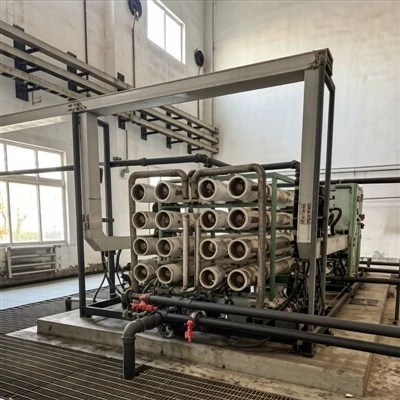
First off, let’s understand what ultrafiltration membranes are. Ultrafiltration is a type of membrane filtration process where hydrostatic pressure forces a liquid against a semi – permeable membrane. The membrane acts like a super – fine sieve, allowing water and small molecules to pass through while blocking larger particles such as bacteria, colloids, and macromolecules.
One of the major environmental perks of ultrafiltration membranes is their contribution to water treatment. Water is a precious resource, and we’re constantly looking for ways to clean and reuse it. Ultrafiltration plays a crucial role here. Instead of using a bunch of harsh chemicals to treat water, these membranes can physically separate contaminants. Take wastewater treatment for example. In a traditional wastewater treatment plant, you’d use coagulants and flocculants to clump all the nasties together and then filter them out. This not only involves the production and use of chemicals, but it also generates additional waste in the form of sludge.
With ultrafiltration membranes, the process is much cleaner. They can retain a wide range of pollutants, from suspended solids to harmful microorganisms. This means less chemical usage, which in turn reduces the carbon footprint associated with chemical production and handling. And less sludge is produced too, which is great because dealing with sludge is a costly and often environmentally taxing process.
Another area where ultrafiltration membranes shine is in the food and beverage industry. In wine production, for instance, ultrafiltration can be used to clarify the wine without the need for fining agents like egg whites or gelatin. This is not only beneficial for vegetarians but also reduces the amount of organic waste generated during the winemaking process. In the dairy industry, these membranes are used to separate milk components such as proteins and lactose. This enables more efficient use of milk resources and can even lead to the production of value – added products like whey protein isolates.
Now, let’s talk about energy consumption. Yes, ultrafiltration systems do require energy to operate the pumps that create the pressure needed for filtration. However, compared to some other separation processes like distillation, ultrafiltration is relatively energy – efficient. Distillation involves heating a liquid to its boiling point and then condensing the vapor, which consumes a huge amount of energy. Ultrafiltration, on the other hand, just needs a reasonable amount of pressure to force the liquid through the membrane. Modern membrane materials and module designs have also made these systems even more energy – friendly over the years.
But it’s not all sunshine and rainbows. There are some environmental challenges associated with ultrafiltration membranes. One of the main ones is membrane fouling. Over time, particles and contaminants can build up on the surface of the membrane, reducing its efficiency. To deal with this, operators often have to use cleaning chemicals. If these chemicals are not properly managed, they can end up in the environment, causing pollution.
Manufacturing ultrafiltration membranes also has an environmental impact. The production process involves the use of various polymers and solvents. Some of these materials may be derived from non – renewable resources, and their production can generate greenhouse gas emissions and other pollutants. Also, the disposal of used membranes is a concern. Most membranes end up in landfills, where they can take a long time to break down.
However, the industry is not sitting still. There are a lot of ongoing efforts to make ultrafiltration membranes more environmentally friendly. For example, researchers are working on developing new membrane materials from renewable resources like cellulose and chitosan. These bio – based membranes have the potential to be more sustainable and biodegradable.
Companies are also looking into improving membrane cleaning methods. Some are exploring the use of physical cleaning techniques such as backwashing with water or using ultrasonic waves to remove foulants, reducing the need for harsh chemicals. And in terms of disposal, there are initiatives to recycle used membranes. Some parts of the membrane can be reused or repurposed, which helps to reduce waste.
So, are ultrafiltration membranes environmentally friendly? The answer is a bit of a mixed bag. On one hand, they offer significant environmental benefits in terms of water treatment, reduced chemical usage, and energy efficiency. On the other hand, there are some challenges in manufacturing, fouling management, and disposal. But with all the ongoing research and development efforts, the future looks promising for making these membranes even more eco – friendly.
If you’re in the market for ultrafiltration membranes, whether it’s for a water treatment plant, a food and beverage business, or any other application, we’ve got you covered. We’re committed to providing high – quality membranes that not only meet your performance needs but also take into account environmental considerations. Our team of experts can help you choose the right membrane for your specific situation and provide support throughout the process.

So, if you’re interested in learning more about our ultrafiltration membranes or want to start a procurement discussion, don’t hesitate to reach out. We’re here to help you make the most of this technology while also doing our bit for the environment.
EDI Modules References
- Cheryan, M. Ultrafiltration Handbook. Technomic Publishing, 1986.
- Baker, R. W. Membrane Technology and Applications. Wiley, 2012.
- Strathmann, H. Synthetic Membranes: Science, Engineering and Applications. Springer, 1994.
Shandong Jinzhimo Environmental Protection Technology Co., Ltd.
As one of the most professional ultrafiltration membranes manufacturers and suppliers in China, we also support customized service. Please feel free to wholesale advanced ultrafiltration membranes in stock here from our factory. For pricelist, contact us now.
Address: Room 101, Building 9, Shangri-La, Jinlong Road, Zhaoyuan City, Yantai City, Shandong Province
E-mail: zhanglina0778@126.com
WebSite: https://www.sdjzmhb.com/
