If you’ve ever walked past a building with a smooth, weather-resistant roof, or lifted a lightweight, durable boat, or even held a home improvement product that doesn’t crack easily, there’s a good chance you’ve interacted with fiberglass tissue without even realizing it. As a fiberglass tissue supplier, I get questions about this stuff all the time—people mix it up with other fiberglass products, or they think it’s just “thin fiberglass cloth” and call it a day. Let’s break it down, no stuffy industry jargon, just the real deal on what fiberglass tissue actually is. Fiberglass Tissue
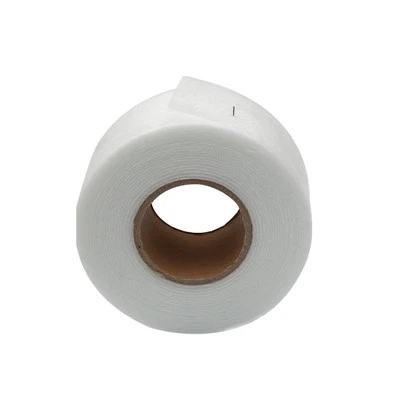
First off, let’s get the basics straight. Fiberglass is made by melting silica sand (that’s regular old sand!) at super high temps, then pulling it into way-thinner-than-human-hair fibers. Those fibers get twisted or woven into different forms depending on what you need. Tissue is the thinnest of the bunch—way thinner than the fiberglass mat you might see in a garage for car repairs, or the thicker woven cloth used for boat building. Think of it like the difference between a paper towel and a heavy-duty moving blanket, but for fiberglass. It’s lightweight, flexible, and has a unique fine structure that makes it super useful for tons of industries, not just one.
Wait, but why is it called “tissue”? No, it’s not like the kleenex you blow your nose with (though I get the confusion!). The name comes from its texture and how it’s made. Most fiberglass tissue is manufactured using a process called wet lay or dry lay spinning, where those tiny glass fibers are laid down in a loose, random pattern (wait, random, not tightly woven!). Unlike woven fiberglass cloth, which has distinct threads crisscrossing, tissue is made of short glass fibers that are pressed together with a tiny bit of binder to hold them in place. That’s why it’s so thin—usually between 0.001 and 0.01 inches thick—so it feels almost like a smooth, stiff paper when you touch it, but way stronger.
Let’s talk about what makes it different from other fiberglass products, because that’s where people get confused. Fiberglass mat is made of longer, coarser fibers, right? It’s thicker and used for bulk reinforcement, like adding strength to a car body panel. Woven cloth is tight, has a grid pattern, and is used for high-stress parts like boat hulls. Tissue? It’s the middleman (or the unsung hero, if you will). It’s designed to bond really well with resins—epoxy, polyester, vinyl ester, whatever you’re using. Because of its loose, fine fiber structure, resin seeps into it evenly, which means no gaps or weak spots when it cures. That’s its superpower.
Now, let’s get into the uses, because that’s where the rubber meets the road. As a supplier, I see fiberglass tissue go to three main groups of customers, and each has their own reason for needing it. First, the construction crew: they use it for roof repair and waterproofing. If you’ve ever had a flat roof that’s leaking, the roofer might lay down a layer of fiberglass tissue over the old roof membrane before adding new sealant. The tissue adds extra strength to the seal, stops tiny cracks from spreading, and makes the whole roof way more weather-resistant than just sealant alone. Second, the composite manufacturers: they use it for things like wind turbine blades (those big blades need to be lightweight but tough), automotive parts (think interior panels that don’t flex too much), and even aerospace components (small, light, and rigid). Third, the home DIY crowd: you’ll find them using it for small projects like repairing a broken plastic shower stall, patching a crack in a fiberglass boat, or making custom planters. It’s easy to cut with scissors (yes, scissors!) so you don’t need fancy tools for small jobs.
Wait, but is there different types of fiberglass tissue? Oh totally, depending on what resin you’re using. If you’re working with epoxy, you need a tissue with a binder that works with epoxy—some binders break down when exposed to certain resins, which would ruin your whole project. If you’re working with high-heat environments, like a part near an engine, you need a heat-resistant tissue made with alkali-resistant (AR) glass instead of regular E-glass. Alkali-resistant is extra strong and doesn’t break down when exposed to things like concrete (that’s why it’s also used in building facades). Some tissues are even treated to be mold-resistant, which is big for bathrooms or outdoor areas where moisture is an issue.
Let me clear up a common myth too: fiberglass tissue isn’t toxic if it’s cured properly. When you work with it, you do have to take basic precautions—wear gloves and a dust mask, because the tiny glass fibers can irritate your skin or lungs if you breathe them in. But once it’s mixed with resin and cured, it’s safe, non-toxic, and doesn’t off-gas. That’s why it’s used in things like food containers? Wait, no, not directly in food, but food-grade composites that come into contact with food—like the liners for some tanks—can use fiberglass tissue that’s been approved by food safety standards.
Now, why does this matter, and why should you care if you’re in the market for it? As a supplier, I’ve seen too many people buy the wrong fiberglass product because they didn’t know the difference. If you need something that’s lightweight, easy to work with, bonds perfectly with resin, and adds subtle but strong reinforcement, tissue is the way to go. If you grab a thick mat for a roof repair, it’s going to be too bulky, and the resin won’t seep through evenly. If you grab woven cloth for a small DIY repair, it’ll be too stiff and hard to cut around curves. Fiberglass tissue hits that sweet spot.
Let’s talk about how it’s made, just to give you a quick behind-the-scenes look (since I love talking about the process!). We start with silica sand, which is melted in a furnace at around 2,700°F—hot enough to turn sand into a thick, goopy glass. Then we push that glass through tiny nozzles, like a giant shower head for glass, to make fibers that are 100 times thinner than a human hair. Those fibers are cut into short lengths, spread out randomly on a moving conveyor belt, and sprayed with a water-based binder (so it’s non-toxic during manufacturing) to hold them together. Then we dry them in an oven, trim them to size, and that’s it—ready to be shipped to you. No fancy additives, just glass and a tiny bit of binder.
Wait, but what about its pros and cons, so you know when to use it (and when not to use it)? Pros: lightweight, flexible, easy to cut, bonds great with all resins, adds consistent strength without adding extra weight. Cons: it’s not as strong as woven cloth for high-stress parts (like a boat’s hull that takes a lot of impact), and you have to use the right type for your resin—some tissues don’t mix well with certain resins and will peel off. But for most general reinforcement and repair jobs, the pros way outweigh the cons.
Here’s a quick example to make it real. Last year, a customer came to me who was a boat builder, and he needed to repair a 12-foot fishing boat that had a small crack in the hull. He tried using woven cloth first, but it was too thick, and when he bent it to fit the curve of the hull, it creased and didn’t bond right. He switched to fiberglass tissue, cut it to the exact size, laid it over the crack, brushed on epoxy, and it cured smooth and strong. He told me that repair is still holding up, two years later, and he now uses tissue for all his small hull repairs. That’s the kind of real-world use that makes fiberglass tissue so useful.
Another example: a construction customer I work with uses AR fiberglass tissue for all their flat roof projects. They say it cuts their repair time in half compared to using mat, because tissue is lighter and easier to unroll and lay down. It also reduces leaks, because the fine fibers fill in tiny gaps that mat can’t, so the sealant bonds tighter. That’s the kind of practical benefit you don’t get with other fiberglass products.
Now, if you’re reading this and you’re thinking, “Hey, I need fiberglass tissue for my project,” what should you look for? First, know your resin: if you’re using epoxy, ask for epoxy-compatible tissue. If you’re working with concrete, ask for alkali-resistant tissue. Second, check the weight: tissue is sold by weight per square yard, usually 1 oz, 1.5 oz, or 2 oz. The lighter the weight, the more flexible it is—perfect for curves. The heavier the weight, the stronger it is—good for larger, flat areas. Third, make sure it’s from a reputable supplier (hi, that’s us!) who can tell you exactly what you’re getting, not just sell you the cheapest stuff.
At the end of the day, fiberglass tissue is one of those materials that you don’t notice until you need it, but once you do, you wonder how you ever lived without it. It’s not the flashiest fiberglass product, but it’s reliable, versatile, and solves a lot of problems that thicker, bulkier products can’t. If you’re working on a project that needs lightweight reinforcement, resin bonding, and flexibility, fiberglass tissue is exactly what you need.

If you’re ready to talk about your project, need a sample, or have questions about which type of tissue will work best for you, don’t hesitate to reach out. We’re here to help you pick the right product for your needs, no pushy sales stuff, just real advice from people who work with fiberglass every day. Don’t waste time and money on the wrong material—let’s connect and get your project on track.
Fiberglass Tissue References:
- Composite Fabric Association. (2022). Fiberglass Reinforcement Materials: Types and Applications. Composite Fabric Association Publications.
- American Architectural Manufacturers Association. (2021). Guide to Fiberglass Tissue for Building Waterproofing. AAMA Standard 150-21.
- The Glass Industry Association. (2023). Production and Properties of Fiberglass Tissues for Composite Manufacturing. GIA Technical Report TR-07-23.
Danyang Yonggu Building Materials Co., Ltd.
Danyang Yonggu Building Materials Co., Ltd. is one of the most professional fiberglass tissue manufacturers and suppliers in China, featured by quality products and good price. Please rest assured to wholesale customized fiberglass tissue made in China here from our factory.
Address: Danyang City, Jiangsu Province, P.R. China
E-mail: sales02@cnyongu.com
WebSite: https://www.ygfiberglass.com/
