Hey everyone, if you’ve ever wondered why those AC gear motors you see in conveyor systems, packaging lines, or even backyard garden equipment never overheat mid-shift, you’re in the right place. I’ve been supplying AC gear motors for over 12 years now, and let me tell you—thermal protection isn’t just a “nice add-on” for these workhorses. It’s the thing that keeps them running when every other part of the line is screaming for a break. Today, I’m breaking down what this thermal protection actually is, how it works, and why it’s non-negotiable whether you’re picking up a replacement motor or spec’ing one for a new build. AC Gear Motor
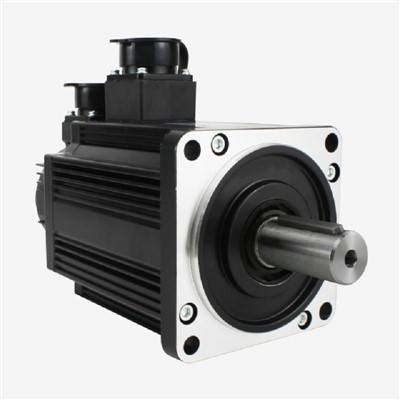
First, let’s get one thing straight: AC gear motors generate heat. All electric motors do—even the most efficient ones. That heat comes from a few places: the electrical current flowing through the copper windings creates resistance (that’s Joule heating, for the nerds like me), the friction between the gear teeth meshing, and even the core losses from the steel stack that the windings are wrapped around. If that heat builds up too much and too fast, it’s bad news. The windings can melt, the gears can warp, and boom—your $5000 production line is shut down. I’ve seen it happen once at a food processing plant I supplied a motor to a few years back. They skipped adding proper thermal protection because their old motor “never had issues,” and 3 hours into a 24-hour run, the windings fried. They were down for a full day, and the cost of lost output was way more than the motor itself. That’s the story that made me stop selling motors without properly explaining thermal protection to every client.
So what is AC gear motor thermal protection, exactly? At its core, it’s a set of built-in components (or sometimes external add-ons) that monitor the motor’s temperature and shut it down (or reduce its load) before it gets too hot to handle. Think of it like a fever thermometer for your motor—except it’s automatic, no one has to stick a sensor in its armpit. It’s split into two main types: internal thermal protection (built right into the motor) and external thermal protection (added on by you, the user). Let’s dive into each because that’s where most people get confused.
Internal thermal protection is what I always recommend for standard applications because it’s plug-and-play, no extra wiring needed. The most common component here is a thermal overload protector, or what we in the business call a “bi-metallic strip” or a “PTC thermistor.” Wait, let’s keep it simple. A bi-metallic strip is two different metals bonded together—one expands more than the other when it heats up. When the motor hits a set temperature (usually around 130°C for standard motors, maybe 155°C for high-temp ones), the strip bends enough to flip a switch, cutting off power to the motor. Once it cools down (usually to around 90°C), it flips back on. The downside here is it’s a manual reset sometimes—you have to go hit a little button on the motor when it trips, which is why I usually tell clients to pair it with a remote reset if it’s in a hard-to-reach place.
Then there’s the PTC thermistor. That’s a small ceramic resistor that changes resistance as temperature goes up. When it gets too hot, its resistance spikes, and that triggers a control circuit to shut the motor off. The cool thing about PTCs is they work with the motor’s existing control system, so you don’t have to run extra wires just for a manual reset—your PLC or motor starter can pick up the signal and handle the shutdown automatically. I’ve seen more of these going into newer equipment because they’re more precise than bi-metallic strips.
Now, external thermal protection. That’s when you add something separate from the motor itself, like a surface-mounted temperature sensor (a thermocouple or RTD) that clamps onto the motor’s frame or the gear housing. This is super useful if you’re running the motor in extreme conditions—like a furnace blower motor that’s also dealing with ambient heat, or a motor in a dusty sawmill where dust builds up on the internal sensor, messing with its readings. External sensors let you tune the temperature threshold to your exact application, not just the motor’s default. I had a client a couple years back who was using an AC gear motor in a pet food extruder—super high heat from the product itself, so he needed an external sensor set to 120°C instead of the standard 130 because the extruder was already warming the motor from the outside. That’s the flexibility external protection gives you.
Wait, let’s talk about why this matters for different types of AC gear motors, because not all are the same. There’s the inline gear motor, the right-angle gear motor, the worm gear motor—each handles heat a little differently. Worm gear motors, for example, have a lot of gear friction, so they run hotter than inline ones. I always warn clients that if they’re spec’ing a worm gear motor for 24/7 operation, thermal protection isn’t optional. I once had a client try to run a worm gear motor on a conveyor that runs 24/7 without thermal protection, and after 6 months, the worm gear stripped because the heat made the gear plastic soften. He called me, and I replaced it with a motor with internal PTC protection, and he’s been happy ever since.
Also, let’s bust a myth I hear all the time: “If I size the motor correctly, I don’t need thermal protection.” Nah, that’s half right. Sizing the motor (matching its horsepower to your load) is important, but even a correctly sized motor can overheat. If it’s running in a hot room, or if the load spikes unexpectedly (like a conveyor gets jammed and the motor tries to push through), that’s extra current, extra heat—even if the motor was right for the average load. That’s when thermal protection kicks in. I can’t tell you how many times a client has said, “My motor runs fine, why do I need this?” Then 6 months later, they’re calling me because it overheated during a holiday weekend when no one was there to shut it off. Thermal protection is your insurance policy against that.
Another thing to consider: different standards for thermal protection. In North America, we follow NEC (National Electrical Code) guidelines, which require thermal protection for motors over a certain horsepower. In Europe, it’s IEC standards. But even if your application doesn’t legally require it, I always recommend it for industrial use. The cost of adding a thermal protector is like 2-3% of the motor’s total price. Compare that to the cost of downtime, replacement parts, or a whole new motor—total no-brainer.
Now, how do you know what kind of thermal protection you need for your specific application? Let’s break it down quick. If you’re in a standard application—conveyor, packaging machine, low ambient heat, regular maintenance—go with internal bi-metallic or PTC. They’re cheap, easy to install, and work for 90% of clients. If you’re in an extreme environment: high ambient temp, dusty, oily, or the motor is in a hard-to-reach place, go for external surface sensors. If you’re using the motor with a PLC or automated control system, PTC is better because it communicates with your system, no manual intervention needed. If you have a motor that runs infrequently, maybe a manual reset bi-metallic is fine, but if it runs 24/7, automatic reset or remote PTC is a must.
Wait, let’s give a real example. Last year, a client who makes medical device packaging hit me up. They needed AC gear motors for their blister packing lines—super precise, run 16 hours a day, in a clean room with controlled temperature. They were using motors without thermal protection before, and a line went down because a sensor failed and the motor ran hot. We supplied them with inline AC gear motors with internal PTC thermal protection. The response from their maintenance team was that they haven’t had a motor failure related to heat since—small win, but that’s exactly why I do what I do.
I know this sounds like sales talk, but I’m being straight with you. I’ve been in this game long enough to see what works and what doesn’t. Thermal protection isn’t just a box to check on a spec sheet—it’s what keeps your operations running, your costs down, and your stress levels low. If you’re not sure what kind of thermal protection your application needs, or if you have a motor that’s overheating and you’re not sure why, hit me up. I don’t push every client to get the most expensive option— I ask questions, understand your setup, and recommend what actually works for you.
Before I go, let’s recap the key points to remember: 1. All AC gear motors generate heat, so thermal protection is necessary, even for correctly sized motors. 2. Internal protection is great for standard apps, external for extreme conditions. 3. PTC works best with automated systems, bi-metallic is cheap and simple. 4. It’s a small cost that saves you big on downtime.
If you’re looking to upgrade your current motors, spec new ones for your next project, or just have questions about thermal protection for your existing setup, reach out to us to chat through your needs. I’m here to help, no pressure.
Servo Motor References:
- Bolt, G. (2020). Motor Protection: Thermal Overloads and Circuit Breakers. Industrial Motor Control, 5th Edition.
- IEC 60034-1. (2021). Rotating electrical machines – Part 1: Rating and performance. International Electrotechnical Commission.
- National Electrical Code (NEC) Article 430. (2023). Motors, Motor Circuits, and Controllers. National Fire Protection Association.
- Miller, T. J. E. (2019). Thermal Management of AC Motors for Industrial Applications. IEEE Transactions on Industry Applications, 55(4), 3892-3899.
Zibo Auric Mechanical and Electrical Technology Co., Ltd.
As one of the leading ac gear motor manufacturers and suppliers in China, we warmly welcome you to buy advanced ac gear motor for sale here from our factory. All customized motors are with high quality and competitive price.
Address: B419, High-tech Entrepreneurship Park, High-tech Zone, Zibo City
E-mail: cui@auricmotor.com
WebSite: https://www.auricmotor.com/
