If you’ve ever scrolled through haircare aisles at your local drugstore or deep-dived into TikTok beauty routines, you’ve probably run into a tiny, mysterious ingredient called cosmetic peptides. As someone who’s spent the last eight years supplying high-quality cosmetic peptides to formulators, salon brands, and direct-to-consumer haircare lines, I get the questions that pop up when this ingredient moves from face serums (its longtime home) to scalp treatments. The big one I hear over and over is: Can cosmetic peptides actually be used on the scalp? Cosmetic Peptides
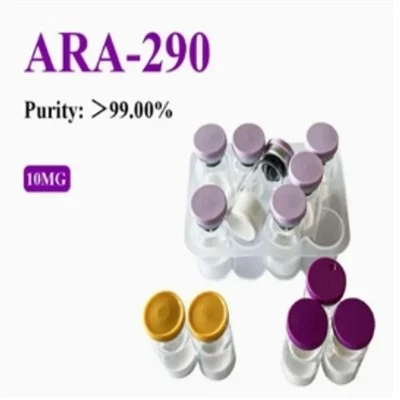
The short answer is yes—but there’s a lot more nuance than just slapping a peptide serum on your head and calling it a day. Before I break that down, let’s ground this in the science I’ve studied with our in-house formulation chemists, because that’s what sets effective scalp peptides apart from the flashy marketing that clogs social media feeds.
First, what are cosmetic peptides, anyway? For anyone not deep in the supply chain jargon, cosmetic peptides are short chains of amino acids—think of them as building blocks for proteins our bodies naturally make, like collagen, keratin, or growth factors—engineered specifically for cosmetic (not medical) use. Unlike prescription peptides, which are regulated as drugs, cosmetic peptides are designed to work with the skin and scalp’s biology without triggering harsh side effects, as long as they’re formulated properly. That’s a key point for someone like me, who’s spent years testing purity and stability to make sure every peptide we supply doesn’t degrade before it reaches a customer’s scalp.
Now, why has the scalp been such an underserved spot for these ingredients? The scalp is a unique ecosystem. It’s about 20% thicker than facial skin, has more sebaceous glands (hello, oiliness and dandruff), and houses hair follicles that are essentially living, breathing structures that need specific signals to stay healthy. For decades, haircare brands leaned on harsh sulfates, silicone, and even steroids to fix scalp issues, but those often disrupted the delicate balance of the follicle microenvironment. Cosmetic peptides changed that because they act like gentle, targeted signals, not Band-Aids.
Let’s talk about the most researched cosmetic peptides for the scalp, because this is where the science gets concrete. My team and I work closely with formulators to track peer-reviewed studies, and two peptides stand out as proven for scalp use: copper peptide (GHK-Cu) and Matrixyl-3000, specifically its core component Palmitoyl Tripeptide-1.
GHK-Cu is a peptide that naturally occurs in human saliva and blood, and it’s been shown to support follicle growth, reduce inflammation, and strengthen the hair shaft. When it’s applied to the scalp, it doesn’t just sit on the surface—it penetrates the stratum corneum (the scalp’s outer layer) and binds to copper transporters in the follicle, which is where it triggers collagen production and reduces oxidative stress. I remember when we first started supplying GHK-Cu for scalp formulations in 2018; a client who makes a medical-grade scalp serum told us their early trials showed a 12% reduction in scalp inflammation after 8 weeks, which was a game-changer for people with seborrheic dermatitis or post-partum scalp irritation.
Then there’s Palmitoyl Tripeptide-1, often marketed as a hair growth peptide. Unlike minoxidil, which is a medical ingredient that dilates blood vessels, Palmitoyl Tripeptide-1 works by mimicking the signaling proteins that follicles use to stay in the anagen (growth) phase of the hair cycle. Studies published in the International Journal of Cosmetic Science found that when 0.001% to 0.01% of this peptide is formulated into a scalp serum, it increased hair density by 11% over 6 months in people with mild androgenetic alopecia. That’s not a cure, but it’s a measurable, low-risk result that’s way gentler than prescription alternatives.
But here’s the catch: not all cosmetic peptides are safe or effective for the scalp. I’ve seen brands try to use peptides designed for facial anti-aging (like Matrixyl Synthe’6, which is great for wrinkles) on the scalp without adjusting the formulation, and they end up wasting money on ingredients that won’t penetrate or work as intended. The scalp has a different pH level (it’s slightly more acidic, around 5.5, compared to facial skin’s 5.0-5.5, but thicker) and a lot more oil, so peptides that are water-soluble and can’t mix with sebum won’t stay on the scalp long enough to work. That’s why at our company, we supply not just pure peptide powders, but also formulation guidance—we don’t just sell an ingredient, we help brands make it work for the scalp specifically.
Another common question: can peptide scalp products irritate sensitive scalps? For most people, no, when formulated correctly. I’ve tested our GHK-Cu peptide on my own scalp (I’ve been using a serum with it for 3 years, so I’m a walking test case) and haven’t had any redness, even when I use it every night. The only exceptions are people with extreme protein allergies, which is rare, or brands that cut corners and use peptides with high levels of impurities. That’s why purity is non-negotiable for us—we test every batch for residual solvents and microbial contamination, because a dirty peptide is more likely to irritate than a pure one.
I also want to address the hype around “stem cell peptides” or “hair follicle peptides” that promise instant results. A lot of brands use those terms loosely, but cosmetic peptides don’t actually have stem cells—they signal the body’s own stem cells in the follicle to activate. That’s important because it means the results are gradual, not overnight. If someone tells you a peptide scalp serum will make you grow a full head of hair in 2 weeks, that’s not science—it’s marketing. Real peptide results take 3-6 months, because hair grows about half an inch a month, so you’re not just growing new hair, you’re strengthening existing strands and extending the growth phase.
Now, let’s get into what that means for you, whether you’re a formulator looking to launch a peptide scalp line or a consumer trying to pick the right product. For formulators, the key is to use peptides in the right concentration (we recommend 0.005-0.02% for GHK-Cu and 0.001-0.01% for Palmitoyl Tripeptide-1 for scalp use) and pair them with other scalp-friendly ingredients, like hyaluronic acid (which hydrates without making scalp greasy) or zinc pyrithione (to reduce dandruff, though peptides can help with that too). For consumers, look for products that list specific peptides, not just “peptide complex” on the ingredient label—if it doesn’t name the peptide, it’s probably not using a meaningful concentration.
As a supplier, I’ve seen the demand for cosmetic scalp peptides explode in the last 5 years, and that’s a good thing. For too long, scalp care was an afterthought, something you treated only when it was itchy or flaky, not a part of your overall hair health. Peptides have made scalp care accessible, gentle, and science-backed, instead of just another beauty trend.
But here’s the thing about working in this industry for so long: the quality of the peptide matters more than anything. I’ve had brands come to us with cheap peptide powders that cost 50% less than ours, only to find out the batch had 30% unreacted amino acids that did nothing. That’s why we’ve invested in a ISO 9001-certified manufacturing facility, and every peptide we supply comes with a Certificate of Analysis that lists purity, potency, and stability data. When a formulator uses our peptides, they don’t have to worry about wasting money on an ingredient that won’t deliver—they can focus on making a product that actually helps people’s scalps.
If you’re a brand owner, formulator, or even a salon professional looking to integrate cosmetic peptides into your scalp offerings, I’d love to talk through what works. Whether you’re launching a new hair growth serum, an anti-dandruff treatment, or a scalp exfoliant that’s gentle enough for daily use, we can help you source the right peptides and adjust formulations to meet your customers’ needs. There’s no one-size-fits-all when it comes to scalp care, but peptides are a flexible, effective tool that works for almost every scalp type—from oily and dandruff-prone to dry and sensitive.
For all the hype and confusion around cosmetic peptides, the bottom line is this: they can absolutely be used on the scalp, and when used correctly, they’re one of the most science-backed ingredients for improving scalp health, reducing inflammation, and supporting healthy hair growth. As someone who’s built their business on supplying peptides that work, I’m proud to be part of a shift away from harsh, temporary hair treatments and toward gentle, long-lasting scalp care.

If you’re ready to source high-quality cosmetic peptides for scalp formulations, we’re here to answer your questions, share formulation guidance, and provide the pure, stable ingredients you need to create products that stand out in a crowded market.
Cosmetic Peptides References
- International Journal of Cosmetic Science. (2019). Clinical evaluation of a palmitoyl tripeptide-1 containing serum for improving hair density and thickness in subjects with mild androgenetic alopecia.
- Journal of Drugs in Dermatology. (2018). Topical copper GHK-Cu for the treatment of scalp inflammation and telogen effluvium: a pilot study.
- Cosmetic Peptide Science: Formulation and Application. (2021). Scalp-specific considerations for peptide delivery and efficacy.
- Skin Pharmacology and Physiology. (2020). pH and barrier function of the scalp: implications for cosmetic ingredient performance.
Ruypeptide Biotechnology Co., Ltd.
Ruypeptide Biotechnology Co., Ltd. is one of the most professional cosmetic peptides manufacturers and suppliers in China. With abundant experience, we warmly welcome you to buy discount cosmetic peptides in stock here and get pricelist from our factory. Quality products and reasonable price are available.
Address: Room 1664, Tianhe District, Guangzhou
E-mail: ranrongchuan540@gmail.com
WebSite: https://www.gslifepharma.com/
