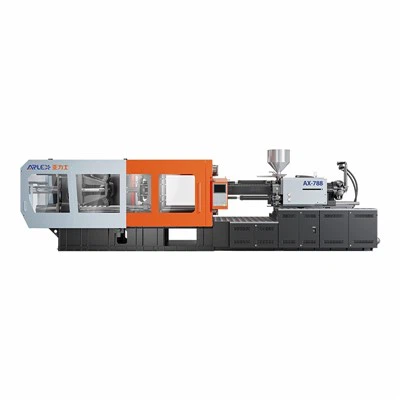
Hey there! As a supplier of plastic injection moulding machines, I often get asked about how to adjust the injection speed in these machines. It’s a crucial aspect of the plastic injection moulding process, and getting it right can make a huge difference in the quality of the final product. So, let’s dive into it! Plastic Injection Moulding Machine

Why Injection Speed Matters
First off, let’s talk about why injection speed is so important. The injection speed determines how fast the molten plastic is injected into the mould cavity. If the speed is too slow, the plastic might start to cool and solidify before it fills the entire cavity, leading to incomplete parts or poor surface finish. On the other hand, if the speed is too fast, it can cause issues like flash (excess plastic that seeps out of the mould), air traps, or even damage to the mould itself.
Factors Affecting Injection Speed
There are several factors that can influence the optimal injection speed for a particular moulding job. Here are some of the key ones:
Plastic Material
Different plastics have different flow characteristics. For example, polymers with high viscosity, like some engineering plastics, require a higher injection speed to ensure they flow smoothly into the mould. On the other hand, low – viscosity plastics can be injected at a slower speed. So, before you start adjusting the injection speed, you need to know the properties of the plastic you’re using.
Mould Design
The design of the mould plays a big role. Moulds with thin walls or complex geometries may need a higher injection speed to ensure the plastic reaches all the corners. Also, the size of the gate (the opening through which the plastic enters the mould) affects the flow. A smaller gate may require a higher injection speed to maintain the necessary pressure.
Part Thickness
Thicker parts generally need a slower injection speed. This is because the plastic has more time to flow and fill the cavity without causing excessive pressure. Thinner parts, however, may need a faster injection speed to prevent premature solidification.
How to Adjust the Injection Speed
Now, let’s get into the nitty – gritty of how to adjust the injection speed.
Initial Setup
When you’re starting a new moulding job, it’s a good idea to refer to the plastic manufacturer’s recommendations. They usually provide guidelines on the optimal injection speed for their materials. You can also look at the mould design specifications. Based on these, set an initial injection speed on your machine.
Monitoring and Testing
Once you start the injection process, closely monitor the quality of the parts. Look for signs of incomplete filling, flash, or other defects. If you notice that the parts are not filling properly, you may need to increase the injection speed. If there’s flash or excessive pressure, you might need to slow it down.
Step – by – Step Adjustment
It’s best to make small adjustments to the injection speed. For example, increase or decrease it by 5 – 10% at a time. After each adjustment, run a few test shots and evaluate the results. Keep making these small changes until you achieve the desired part quality.
Using the Machine’s Controls
Most modern plastic injection moulding machines have user – friendly control panels. You can usually find the injection speed setting on the control panel. Some machines even allow you to program different injection speeds for different stages of the injection process. For example, you can have a high speed at the beginning to quickly fill the majority of the cavity and then slow down for the final filling to avoid over – packing.
Troubleshooting Injection Speed Issues
Sometimes, even after making adjustments, you may still encounter problems. Here are some common issues and how to fix them:
Incomplete Filling
If the parts are not filling completely, first check if the injection speed is too low. Increase it gradually and see if that solves the problem. Also, make sure the plastic is at the right temperature. If it’s too cold, it won’t flow properly.
Flash
Flash is usually a sign of too high an injection speed or too much pressure. Reduce the injection speed and see if the flash disappears. You may also need to check the mould for any wear or damage that could be causing the plastic to leak out.
Air Traps
Air traps can occur when the injection speed is too fast. The plastic may push the air into pockets instead of allowing it to escape. Try reducing the injection speed and adding vents to the mould to help the air escape.
Tips for Optimal Injection Speed
- Keep Records: Keep a record of the injection speed settings and the corresponding part quality for each job. This will help you in future jobs and save time on trial – and – error.
- Regular Maintenance: Make sure your machine is well – maintained. A poorly maintained machine may not be able to deliver the accurate injection speed you set.
- Training: Ensure that your operators are well – trained in adjusting the injection speed. They should understand the factors involved and how to troubleshoot common issues.
Conclusion
Adjusting the injection speed in a plastic injection moulding machine is a skill that requires a good understanding of the plastic material, mould design, and the machine itself. By following the steps and tips I’ve outlined above, you can achieve high – quality parts consistently.
Plastic Injection Moulding Machine If you’re in the market for a plastic injection moulding machine or need more advice on injection speed adjustment, don’t hesitate to reach out. We’re here to help you get the most out of your moulding process. Whether you’re a small – scale manufacturer or a large – scale production facility, we have the right solutions for you. Let’s start a conversation and see how we can work together to improve your plastic injection moulding operations.
References
- "Plastic Injection Moulding Handbook" by Rosato, Dominick V.
- "Injection Molding for Medical Applications" by Rauwendaal, C.
Ningbo Yalishi (Arlex) Plastic Machinery Co., Ltd.
Ningbo Yalishi(Arlex) Plastic Machinery Co., Ltd. is one of the most reliable plastic injection moulding machine manufacturers and suppliers in China, featured by quality products and low price. Please rest assured to wholesale cheap plastic injection moulding machine made in China here from our factory. Customized orders are welcome.
Address: No.63, Huangsu East Road, Industrial Zone, Dongqian Lake Tourist Resort, Ningbo, Zhejiang Province
E-mail: leo@arlex.cn
WebSite: https://www.arleximm.com/
