Hey there! I’m a supplier of energy meter parts, and I often get asked how to select the appropriate parts for a new energy meter installation. It’s a crucial step, and getting it right can make a huge difference in the performance and reliability of the energy meter. So, let’s dive into it! Energy Meter Parts

Understanding Your Needs
First things first, you need to have a clear understanding of what kind of energy meter you’re setting up. Different applications have different requirements. For instance, if it’s for a residential building, the energy consumption patterns are quite different from those of an industrial facility.
Residential energy meters usually deal with lower power loads. They need to accurately measure the electricity used by household appliances like TVs, refrigerators, and lights. On the other hand, industrial energy meters have to handle much higher power levels and may need to measure three – phase power. So, knowing the application is the starting point.
Voltage and Current Ratings
The voltage and current ratings of the energy meter parts are super important. You’ve got to make sure that the parts can handle the electrical conditions of the installation site.
If the voltage at the site is 220V, you can’t use parts rated for 110V. It’s a recipe for disaster! The same goes for current ratings. If the expected current in the circuit is high, say 100A, you need parts that can handle that current without overheating or breaking down.
When selecting parts, check the datasheets provided by the manufacturers. They’ll give you all the info you need about the voltage and current ratings. And don’t forget to consider any future expansions or changes in the electrical load. You don’t want to have to replace the parts soon after installation because you underestimated the requirements.
Accuracy Requirements
Accuracy is a big deal when it comes to energy meters. In some applications, even a small error in measurement can lead to significant financial losses. For example, in a large industrial plant, a 1% error in energy measurement can result in thousands of dollars in incorrect billing over time.
There are different accuracy classes for energy meters, such as 0.2S, 0.5S, 1, and 2. The lower the number, the higher the accuracy. For applications where precise measurement is crucial, like in a power generation plant or a large commercial building, you’ll want to go for parts that can support a high – accuracy energy meter.
Communication Protocols
In today’s digital age, many energy meters need to communicate with other devices, such as a central monitoring system. There are several communication protocols available, like Modbus, DLMS, and ZigBee.
Modbus is a widely used protocol in industrial applications. It’s simple and reliable, allowing easy communication between the energy meter and other devices. DLMS, on the other hand, is more common in Europe and is designed specifically for energy metering. ZigBee is a wireless protocol that’s great for applications where wiring is difficult or costly.
When choosing parts, make sure they support the communication protocol that you need. If you plan to integrate the energy meter into an existing system, check if the parts are compatible with the system’s communication requirements.
Environmental Conditions
The environment where the energy meter will be installed also plays a role in part selection. If the meter is going to be installed outdoors, it needs to be able to withstand harsh weather conditions, such as extreme temperatures, humidity, and UV radiation.
Look for parts that are designed for outdoor use. They should have proper protection against dust, water, and corrosion. For indoor installations, you still need to consider factors like temperature and humidity. Some areas may have high humidity levels, which can affect the performance of the energy meter parts.
Cost – Benefit Analysis
Of course, cost is always a factor. You want to get the best value for your money. But don’t just go for the cheapest parts. Consider the long – term costs as well. A high – quality part may cost more upfront, but it could save you money in the long run by being more reliable and accurate.
Compare different suppliers and their prices. Look for any additional features or services that come with the parts. Some suppliers may offer technical support or warranties, which can be very valuable.
Compatibility with Existing Systems
If you’re upgrading an existing energy meter system, you need to make sure that the new parts are compatible with the old ones. This includes both hardware and software compatibility.
For example, if you’re replacing the meter module, it should be able to communicate with the existing communication devices and data collection systems. Check the interfaces and protocols of the existing system and make sure the new parts can work with them.
Quality and Reliability
The quality and reliability of the energy meter parts are of utmost importance. You don’t want the meter to break down frequently or give inaccurate readings. Look for parts from reputable manufacturers. Read reviews and ask for recommendations from other users.
A reliable part will have a long lifespan and require less maintenance. It will also be less likely to cause problems in the energy metering system.
Availability of Spare Parts
It’s always a good idea to consider the availability of spare parts. If a part fails, you want to be able to replace it quickly. Check if the supplier has a good inventory of spare parts and if they can deliver them in a timely manner.
Some parts may be more difficult to source than others. For example, specialized sensors or microcontrollers may take longer to get. So, make sure you choose parts that are readily available.
Conclusion
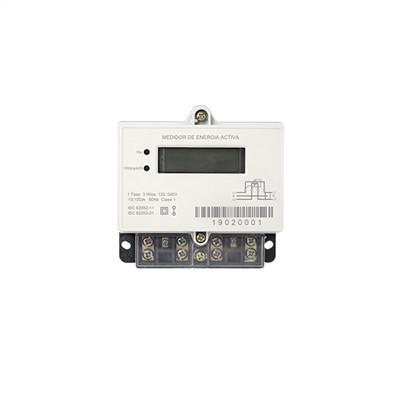
Selecting the appropriate parts for a new energy meter installation is a complex process, but by considering all these factors, you can make an informed decision. Remember to understand your needs, check the voltage and current ratings, consider the accuracy requirements, choose the right communication protocol, account for the environmental conditions, do a cost – benefit analysis, ensure compatibility with existing systems, focus on quality and reliability, and think about the availability of spare parts.
Three Phase Test Bench If you’re in the market for energy meter parts, I’m here to help. I’ve got a wide range of high – quality parts that can meet your specific needs. Whether you’re working on a small residential project or a large industrial installation, I can provide the right parts at a competitive price. Don’t hesitate to reach out for more information or to discuss your requirements. Let’s work together to make your energy meter installation a success!
References
- "Energy Metering Handbook", published by an industry – leading publisher.
- Technical datasheets from various energy meter part manufacturers.
- Industry whitepapers on energy metering technology and part selection.
Jian Xin Technical Limited
Jian Xin Technical Limited is well-known as one of the leading energy meter parts manufacturers and suppliers in China. If you’re going to buy high quality energy meter parts with low price, welcome to get pricelist from our factory. Also, customized service is available.
Address: Jianxin Industry Park, Longtan Load, Yuhang District, Hangzhou, China. 311121
E-mail: marketing@jianxintechnical.com
WebSite: https://www.jianxintechnical.com/
