What is the vibration level of an Ultrasonic Welding Machine?
As a supplier of ultrasonic welding machines, I’ve encountered numerous inquiries about the vibration levels of these remarkable pieces of equipment. Understanding the vibration level is crucial for both the performance of the machine and the quality of the welding results. In this blog, I’ll delve into the concept of vibration levels in ultrasonic welding machines, their significance, and how they impact the welding process. Ultrasonic Welding Machine
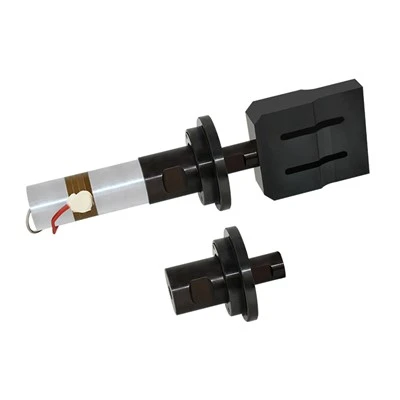
Understanding Ultrasonic Vibration
Ultrasonic welding relies on high – frequency mechanical vibrations to create a bond between two materials. These vibrations typically occur at frequencies above the range of human hearing, usually between 20 kHz and 70 kHz. The vibration level in an ultrasonic welding machine is characterized by two main parameters: amplitude and frequency.
Amplitude refers to the maximum displacement of the vibrating part (usually the sonotrode or the welding horn) from its equilibrium position. It is measured in micrometers (μm). A larger amplitude means that the sonotrode moves a greater distance during each vibration cycle. Frequency, on the other hand, is the number of vibration cycles per second, measured in hertz (Hz).
The combination of amplitude and frequency determines the energy that is transferred to the workpieces during the welding process. Higher amplitudes generally result in more energy being delivered, which can lead to faster welding times and stronger bonds. However, excessive amplitude can also cause damage to the materials being welded or the machine itself.
Significance of Vibration Levels in Ultrasonic Welding
The vibration level plays a pivotal role in achieving successful ultrasonic welds. Here are some key aspects where the vibration level has a direct impact:
Weld Strength
The right vibration level is essential for creating a strong and durable bond. When the amplitude and frequency are properly adjusted, the ultrasonic energy is efficiently transferred to the contact areas of the workpieces. This causes the materials to heat up due to friction, and they start to melt and flow together. If the vibration level is too low, the energy transferred may not be sufficient to melt the materials adequately, resulting in a weak weld. Conversely, if the vibration level is too high, it can cause overheating, material degradation, and even damage to the parts.
Weld Quality
In addition to strength, the vibration level affects the overall quality of the weld. A consistent and appropriate vibration level ensures a uniform distribution of heat and pressure across the welding area. This leads to a smooth and aesthetically pleasing weld surface with minimal flash or deformation. For example, in applications where precision and a clean finish are required, such as in the electronics or medical device industries, precise control of the vibration level is crucial.
Welding Speed
The vibration level also influences the speed at which the welding process can be carried out. Higher vibration amplitudes can increase the energy input, allowing the workpieces to heat up and bond more quickly. However, there is a limit to how much the amplitude can be increased without compromising the quality of the weld. Therefore, finding the optimal vibration level is a balance between achieving the desired welding speed and maintaining high – quality results.
Factors Affecting Vibration Levels
Several factors can influence the vibration level of an ultrasonic welding machine.
Material Characteristics
The type of materials being welded is a major factor. Different materials have different acoustic properties, which affect how they absorb and transmit ultrasonic energy. For example, rigid plastics may require a different vibration level compared to flexible or soft plastics. Metals also have unique requirements, as they generally have higher melting points and better thermal conductivity. When welding dissimilar materials, an additional level of consideration is needed to ensure that the vibration level is appropriate for both materials.
Part Geometry
The shape and size of the workpieces can also impact the vibration level. Complex geometries may cause the ultrasonic waves to scatter or reflect differently, leading to uneven energy distribution. For example, a part with thin sections or sharp edges may require a more carefully adjusted vibration level to prevent overheating or damage to these areas.
Machine Settings
The settings on the ultrasonic welding machine itself can control the vibration level. The power output, frequency, and amplitude can be adjusted according to the specific welding requirements. Some advanced machines also have built – in sensors that can monitor and adjust the vibration level in real – time to compensate for any variations during the welding process.
Measuring and Controlling Vibration Levels
Accurately measuring and controlling the vibration level is essential for consistent and high – quality welding results.
Measuring Vibration
There are several methods for measuring the vibration level of an ultrasonic welding machine. One common approach is to use a laser vibrometer. This device uses a laser beam to measure the displacement of the sonotrode during vibration. By analyzing the laser reflections, the amplitude and frequency of the vibration can be accurately determined. Another method is to use a piezoelectric accelerometer, which measures the acceleration of the vibrating part. These measurements can then be used to calculate the amplitude and frequency of the vibration.
Controlling Vibration
To control the vibration level, modern ultrasonic welding machines are equipped with advanced control systems. These systems allow operators to set the desired amplitude and frequency based on the specific welding requirements. Some machines also have feedback control mechanisms that continuously monitor the vibration level and adjust the power output to maintain a consistent vibration. For example, if the amplitude starts to decrease due to changes in the material or part geometry, the control system can increase the power to bring the amplitude back to the set value.
Conclusion

The vibration level of an ultrasonic welding machine is a critical factor that determines the success of the welding process. By understanding the concepts of amplitude and frequency, their significance, and the factors that affect them, operators can optimize the welding parameters to achieve strong, high – quality welds. As a supplier of ultrasonic welding machines, we are committed to providing our customers with the knowledge and tools they need to make the most of our equipment.
Ultrasonic Cutting Machine If you are in the market for an ultrasonic welding machine or have any questions about vibration levels and their impact on your welding applications, we encourage you to reach out to us for a detailed consultation. Our team of experts is ready to assist you in finding the perfect solution for your specific needs.
References
- Krause, H. (2018). Ultrasonic Welding Technology: Fundamentals and Applications. Springer.
- Pandit, J. (2016). Handbook of Ultrasonic Welding. Wiley – VCH.
- Zhang, Y. (2020). Advances in Ultrasonic Welding Research and Development. Journal of Manufacturing Science and Engineering.
Hangzhou Shengtu Technology Co., Ltd.
Hangzhou Shengtu Technology Co., Ltd. is one of the most professional ultrasonic welding machine manufacturers and suppliers in China, featured by quality products and low price. Please rest assured to buy ultrasonic welding machine for sale here from our factory. Also, customized service is available.
Address: No.16, Changtai Street, Changkou Town, Fuyang District, Hangzhou, Zhejiang, China 311400
E-mail: tina@fun-sonic.com
WebSite: https://www.ultrasonic-coating.com/
