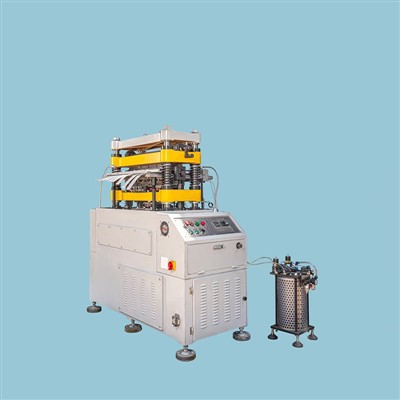
As a supplier of automatic feeding machines in the plastic industry, I’ve witnessed firsthand the transformative impact these machines can have on production processes. In this blog, I’ll delve into the key features that make an automatic feeding machine suitable for the plastic industry, drawing on my experience and knowledge in the field. Automatic Feeding Machine
1. Precision and Accuracy
One of the most critical features of an automatic feeding machine for the plastic industry is precision and accuracy. In plastic manufacturing, even the slightest variation in the amount of raw material fed into the production line can lead to significant quality issues. For example, if too much plastic resin is fed into an injection molding machine, it can result in over – filling, flash, and uneven parts. On the other hand, insufficient material can lead to incomplete parts or voids.
Modern automatic feeding machines are equipped with advanced sensors and control systems. These sensors can accurately measure the amount of plastic granules or powder being fed and adjust the feeding rate in real – time. For instance, load cells can be used to measure the weight of the raw material, and the control system can regulate the speed of the feeding screw or conveyor based on the pre – set parameters. This ensures that the right amount of material is delivered to the processing equipment at all times, maintaining consistent product quality.
2. Compatibility with Different Plastic Materials
The plastic industry uses a wide variety of materials, including polyethylene (PE), polypropylene (PP), polystyrene (PS), and polyvinyl chloride (PVC), among others. Each of these materials has different physical and chemical properties, such as particle size, density, and flowability. An ideal automatic feeding machine should be able to handle these different materials effectively.
The machine should have adjustable feeding mechanisms to accommodate various particle sizes. For example, for fine – powder plastics, a more precise and gentle feeding system may be required to prevent clogging. In contrast, for larger plastic granules, a more robust feeding mechanism can be used. Additionally, the feeding machine should be made of materials that are resistant to the chemical properties of different plastics. Some plastics may be corrosive, so the internal components of the feeding machine, such as the hopper and the feeding screw, should be made of corrosion – resistant materials like stainless steel.
3. High – Speed Feeding
In the plastic industry, production efficiency is crucial. Automatic feeding machines need to be able to feed raw materials at a high speed to keep up with the production line. High – speed feeding not only increases the overall production output but also reduces the cycle time of each production process.
Many modern automatic feeding machines are designed with high – speed motors and efficient feeding mechanisms. For example, some machines use twin – screw feeding systems, which can deliver a large amount of material in a short time. The feeding speed can be adjusted according to the requirements of the production line. This allows manufacturers to optimize their production processes and meet the market demand more effectively.
4. Easy to Clean and Maintain
In the plastic industry, cleanliness is essential to prevent contamination of the raw materials and ensure product quality. An automatic feeding machine should be easy to clean to remove any residual plastic particles or dust.
The design of the machine should allow for easy disassembly of its components. For example, the hopper, feeding screw, and conveyor can be easily removed for cleaning. Smooth surfaces and rounded corners inside the machine also help to prevent the accumulation of plastic residues. Additionally, the machine should have a simple and accessible maintenance structure. Regular maintenance, such as lubrication of moving parts and replacement of worn – out components, can be carried out quickly and easily, minimizing downtime in the production process.
5. Integration with Production Lines
An automatic feeding machine should be able to integrate seamlessly with other equipment in the plastic production line, such as injection molding machines, extrusion machines, and blow – molding machines. This integration allows for a more coordinated and efficient production process.
The feeding machine can be connected to the control system of the production line through communication interfaces, such as Ethernet or RS – 485. This enables real – time data exchange between the feeding machine and other equipment. For example, the feeding machine can receive signals from the injection molding machine to adjust the feeding rate according to the production requirements. Integration also allows for centralized control and monitoring of the entire production process, improving overall productivity and quality control.
6. Safety Features
Safety is of utmost importance in any industrial environment, and the plastic industry is no exception. Automatic feeding machines should be equipped with a range of safety features to protect operators and prevent accidents.
Emergency stop buttons are a standard safety feature on most feeding machines. These buttons can be easily accessed by operators in case of an emergency, immediately halting the operation of the machine. Additionally, the machine should have safety guards around moving parts, such as the feeding screw and conveyor. These guards prevent operators from coming into contact with dangerous components, reducing the risk of injuries. Some machines also have sensors that detect abnormal conditions, such as over – loading or jamming, and automatically shut down the machine to prevent damage.
7. Customizability
Different plastic manufacturers have different production requirements. An automatic feeding machine should be customizable to meet these specific needs.
Manufacturers may require different hopper sizes depending on the volume of raw materials they need to store. The feeding rate, feeding method (such as volumetric or gravimetric feeding), and the number of feeding points can also be customized. For example, a manufacturer with a large – scale production line may need a feeding machine with multiple feeding points to supply raw materials to different processing equipment simultaneously. Customizability allows manufacturers to optimize the feeding machine according to their production processes, improving efficiency and reducing costs.
8. Energy Efficiency
In today’s environmentally conscious world, energy efficiency is an important consideration for industrial equipment. Automatic feeding machines should be designed to consume less energy without sacrificing performance.
Modern feeding machines use energy – efficient motors and control systems. For example, variable – frequency drives can be used to adjust the motor speed according to the actual load, reducing energy consumption. Additionally, the design of the feeding mechanism can be optimized to minimize friction and energy loss. Energy – efficient feeding machines not only help manufacturers reduce their operating costs but also contribute to a more sustainable production process.
9. Reliability and Durability
The plastic industry operates around the clock in many cases, so an automatic feeding machine needs to be reliable and durable. It should be able to operate continuously for long periods without breakdowns.
The machine should be built with high – quality components and a robust structure. The frame and internal parts should be made of materials that can withstand the harsh industrial environment, such as high – strength steel. Regular maintenance and proper use can further extend the lifespan of the machine. A reliable and durable feeding machine ensures stable production and reduces the cost of equipment replacement.
10. Monitoring and Data Logging
Monitoring and data logging capabilities are becoming increasingly important in the plastic industry. An automatic feeding machine should be able to monitor its operating parameters, such as feeding rate, temperature, and motor current, and record this data for analysis.
This data can be used to optimize the production process, identify potential problems, and improve the overall efficiency of the feeding machine. For example, by analyzing the feeding rate data over time, manufacturers can determine if the machine is operating at its optimal level. Data logging also provides valuable information for quality control and regulatory compliance.

In conclusion, an automatic feeding machine suitable for the plastic industry should possess a combination of precision, compatibility, high – speed feeding, easy maintenance, integration, safety, customizability, energy efficiency, reliability, and monitoring capabilities. These features ensure that the machine can meet the diverse needs of plastic manufacturers, improve production efficiency, and maintain product quality.
Automatic Feeding Machine If you’re in the plastic industry and are looking for an automatic feeding machine that meets these requirements, I encourage you to reach out to me for a detailed discussion. We can explore how our automatic feeding machines can be tailored to your specific production needs. Let’s work together to enhance your production process and achieve greater success in the plastic industry.
References
- Smith, J. (2018). "Advances in Automatic Feeding Systems for the Plastic Industry". Journal of Plastic Manufacturing, 25(3), 123 – 135.
- Brown, A. (2019). "Key Features of Modern Automatic Feeding Machines in Plastic Production". Industrial Equipment Review, 32(2), 45 – 56.
- Johnson, R. (2020). "Optimizing Plastic Production with Automatic Feeding Machines". Plastic Technology Today, 40(4), 78 – 89.
Suichang Lvye Machinery Co., Ltd.
We are one of the most professional automatic feeding machine manufacturers in China, also support customized service with low price. We warmly welcome you to buy discount automatic feeding machine for sale here from our factory. If you have any enquiry about quotation, please feel free to email us.
Address: No. 402, Mudanting East Road, Miaogao Street, Suichang County, Lishui City, Zhejiang Province
E-mail: L528753@outlook.com
WebSite: https://www.suichanglvye.com/
