Touchless trash cans have become a staple in modern households and commercial spaces, offering a convenient and hygienic alternative to traditional trash cans. With the increasing demand for these innovative products, one common question that often arises is: Are touchless trash cans resistant to rust? As a prominent supplier in the touchless trash can market, I am well – versed in the materials, manufacturing processes, and the performance of these products in various environments. In this blog, I will delve into the factors that influence rust resistance in touchless trash cans and provide insights to help you make an informed decision. Touchless Trash Can

Understanding Rust
Before discussing the rust resistance of touchless trash cans, it’s essential to understand what rust is and how it forms. Rust is a form of corrosion that occurs when iron or steel comes into contact with oxygen and water. The chemical reaction between iron, oxygen, and water results in the formation of iron oxide, which we commonly recognize as rust. This process can be accelerated by factors such as high humidity, exposure to saltwater, or the presence of acidic substances.
Materials Used in Touchless Trash Cans
Touchless trash cans are typically made from a variety of materials, each with its own level of rust resistance. Here are some of the most common materials used in the manufacturing of touchless trash cans and their rust – resistant properties:
Stainless Steel
Stainless steel is one of the most popular materials for touchless trash cans due to its durability and aesthetic appeal. It contains chromium, which forms a protective oxide layer on the surface of the steel. This layer acts as a barrier, preventing oxygen and water from reaching the underlying metal and thus inhibiting the rusting process.
There are different grades of stainless steel, and the rust resistance can vary depending on the grade. For example, 304 stainless steel is commonly used in touchless trash cans and offers good resistance to general corrosion. It can withstand most indoor environments without rusting. However, in more harsh conditions, such as near the ocean where there is a high salt content in the air, 316 stainless steel may be a better choice. 316 stainless steel contains molybdenum, which enhances its resistance to pitting and corrosion in chloride – rich environments.
Aluminum
Aluminum is another lightweight and corrosion – resistant material used in touchless trash cans. Unlike steel, aluminum forms a natural oxide layer when exposed to air, which prevents further oxidation. This oxide layer is thin and transparent, allowing the aluminum to maintain its appearance.
Aluminum touchless trash cans are generally more resistant to rust than those made of steel, especially in outdoor applications. They are also less likely to be affected by acid rain or other environmental pollutants. However, it’s important to note that the anodizing process can further enhance the corrosion resistance of aluminum. Anodized aluminum has a thicker and more durable oxide layer, making it even more resistant to scratches and corrosion.
Plastic
Plastic touchless trash cans are completely rust – free since they do not contain any metal components. They are lightweight, affordable, and come in a wide range of colors and styles. Plastic is also resistant to moisture, so it will not rust or corrode even in humid environments.
However, plastic may not be as durable as metal in some cases. It can crack or break under heavy impact, and over time, it may become brittle when exposed to sunlight or extreme temperatures. Nevertheless, high – quality plastics with UV stabilizers can help mitigate these issues.
Manufacturing Processes and Rust Resistance
The manufacturing process of touchless trash cans also plays a crucial role in their rust resistance. A well – manufactured touchless trash can should have proper surface treatment and be free of any defects that could allow moisture to penetrate the metal.
Surface Treatment
Surface treatment methods such as painting, powder coating, and electroplating can significantly improve the rust resistance of touchless trash cans. Painting adds a protective layer on the surface of the metal, preventing oxygen and water from reaching the underlying material. Powder coating is a more durable and environmentally friendly alternative to painting. It forms a thick, uniform layer that is resistant to chipping, scratching, and corrosion.
Electroplating involves depositing a thin layer of metal, such as nickel or chromium, on the surface of the base metal. This not only enhances the appearance of the trash can but also provides an additional layer of protection against rust.
Sealing and Assembly
Proper sealing and assembly are essential to ensure that moisture does not enter the interior of the touchless trash can. A well – sealed lid and body prevent water from seeping in, reducing the risk of rusting. Additionally, the use of gaskets and seals at critical joints can further enhance the water – resistance of the trash can.
Environmental Factors and Rust
The environment in which a touchless trash can is placed can have a significant impact on its rust resistance. Here are some common environmental factors to consider:
Indoor vs. Outdoor Use
Indoor touchless trash cans are generally less exposed to moisture and harsh environmental conditions compared to outdoor ones. In indoor environments, such as homes and offices, the humidity is usually controlled, and the trash cans are less likely to come into contact with corrosive substances. As a result, most indoor touchless trash cans made of stainless steel or aluminum can maintain their rust – resistant properties for a long time.
On the other hand, outdoor touchless trash cans are exposed to the elements, including rain, snow, and sunlight. They may also be subjected to salt spray in coastal areas or chemical pollutants in industrial areas. In these cases, choosing a touchless trash can with high – grade materials and proper surface treatment is crucial to ensure long – term rust resistance.
Humidity and Moisture
High humidity levels can accelerate the rusting process, especially in metal touchless trash cans. In areas with high humidity, such as bathrooms or kitchens, it’s important to choose a trash can with good rust – resistant properties. Additionally, keeping the trash can dry and clean can help prevent rust from forming.
If the trash can is frequently exposed to moisture, such as when it’s used to collect wet waste, regular maintenance and drying are necessary. Wiping down the interior and exterior of the trash can after use can help remove any moisture and prevent rusting.
Maintenance and Rust Prevention
Even with high – quality materials and proper manufacturing, regular maintenance is still essential to ensure the long – term rust resistance of touchless trash cans. Here are some maintenance tips:
Cleaning
Regular cleaning helps remove dirt, debris, and any corrosive substances that may be present on the surface of the trash can. Use a mild detergent and a soft cloth to clean the exterior and interior of the trash can. Avoid using abrasive cleaners or scrubbers, as they can damage the protective coating and increase the risk of rusting.
Inspection
Periodically inspect the touchless trash can for any signs of damage, such as scratches or dents. If you notice any damage, it’s important to repair it as soon as possible to prevent moisture from penetrating the metal. For minor scratches on stainless steel or aluminum trash cans, you can use a touch – up paint or polish to cover the damaged area.
Drying
After cleaning or when the trash can is exposed to moisture, make sure to dry it thoroughly. This helps prevent water from lingering on the surface and reduces the risk of rusting. You can use a clean, dry cloth to wipe down the trash can or let it air – dry in a well – ventilated area.
Conclusion
In conclusion, touchless trash cans can be highly resistant to rust depending on the materials used, manufacturing processes, and environmental factors. Stainless steel and aluminum are generally good choices for their rust – resistant properties, while plastic is completely rust – free. Proper surface treatment, sealing, and assembly during the manufacturing process can further enhance the rust resistance of these products.
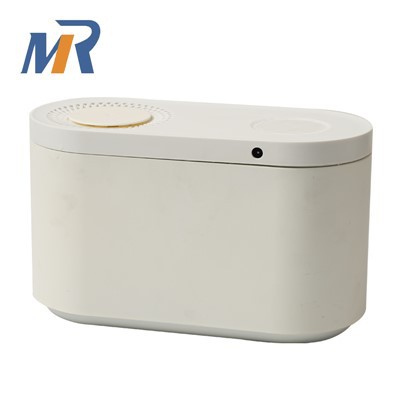
However, it’s important to consider the environment in which the touchless trash can will be used and perform regular maintenance to ensure its long – term durability. Whether you’re looking for a touchless trash can for your home, office, or outdoor space, choosing a high – quality product from a reliable supplier is key.
Mop As a touchless trash can supplier, we are committed to providing our customers with the highest quality products that offer excellent rust resistance and durability. If you’re interested in learning more about our touchless trash cans or have any questions regarding their performance and features, please don’t hesitate to contact us for purchasing and further discussions.
References
- Callister, W. D., & Rethwisch, D. G. (2010). Materials Science and Engineering: An Introduction. John Wiley & Sons.
- Hubble, C. (2015). "Stainless Steels for Corrosion Resistance." ASM Handbook. ASM International.
- Aluminum Association. (2019). "Aluminum Corrosion." Technical Paper.
Zhejiang Meare Smart Tech Co., Limited
Zhejiang Meare Smart Tech Co., Limited is one of the most experienced touchless trash can manufacturers and suppliers in China, also supports customized service. Please feel free to wholesale durable touchless trash can in stock here from our factory. Contact us for pricelist.
Address: No.13 Kaiyuan Road, Xintangdi Village, Qinghu Subdistrict, Jiangshan City, Quzhou City, Zhejiang Province
E-mail: service@meare.cn
WebSite: https://www.mearesmart.com/
