Hey folks! I’m a supplier of Silicone Heat Transfer Vinyl Roll, and today I wanna chat about whether our amazing product can be used on wool fabrics. Silicone Heat Transfer Vinyl Roll
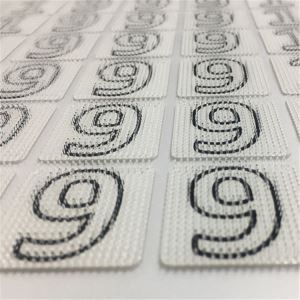
Let’s start off by getting to know what Silicone Heat Transfer Vinyl Roll is all about. This stuff is pretty cool. It’s made of silicone – based materials that can be cut into various designs using a vinyl cutter. Then, with the help of heat and pressure, these designs can be transferred onto different kinds of fabrics. It’s super popular in the custom – clothing and textile – decoration industry. You name it, like t – shirts, bags, and even some home textile products can get a trendy makeover with this vinyl.
Now, wool fabrics. Wool is a natural fiber that comes from sheep, goats, and other animals. It’s known for its warmth, softness, and durability. People love making all sorts of stuff with wool, like sweaters, scarves, and jackets. But wool is also a bit tricky to work with compared to other fabrics because of its structure.
Feasibility Analysis
Can we really use Silicone Heat Transfer Vinyl Roll on wool fabrics? Well, the short answer is yes, but it comes with some caveats.
First, let’s talk about adhesion. One of the most important things when using heat – transfer vinyl is making sure it sticks to the fabric properly. Silicone Heat Transfer Vinyl Roll has great adhesion properties in general. It can form a strong bond with the fabric fibers under the right heat and pressure conditions. Wool has a unique scaly surface structure on its fibers. When the vinyl is heated and pressed onto the wool, the silicone material can penetrate those scales and create a good enough grip. But it’s not as straightforward as using it on a smooth fabric like polyester.
The heat factor is another big deal. Wool is sensitive to heat. If you subject it to too high a temperature for too long, it can shrink, felt, or lose its softness. Silicone Heat Transfer Vinyl needs a certain amount of heat to activate the adhesive and transfer to the fabric. For most regular applications on other fabrics, we usually set the heat at around 150 – 180 degrees Celsius for 10 – 15 seconds. But when it comes to wool, we’ve gotta be more careful. I’d recommend starting with a lower temperature, say around 130 – 140 degrees Celsius, and increasing the pressing time to 15 – 20 seconds. This way, we can still get the vinyl to transfer while minimizing the risk of damaging the wool.
Advantages of Using Silicone Heat Transfer Vinyl on Wool
There are actually quite a few good reasons to use our Silicone Heat Transfer Vinyl Roll on wool fabrics.
One major advantage is the look. Silicone vinyl can give a really high – quality, professional finish to wool items. Whether you’re adding a simple logo to a wool sweater or creating a detailed pattern on a wool scarf, the vinyl can make the design stand out. It has a smooth, shiny surface that can add a touch of elegance to the natural texture of wool.
Another plus is durability. Once the vinyl is properly applied, it can withstand a fair amount of wear and tear. Wool fabrics are often used for outerwear, which means they’ll be exposed to different elements. The silicone vinyl can protect the design from fading, cracking, or peeling. It’s also resistant to washing to some extent. With proper care instructions for the wool item, like washing it in cold water and laying it flat to dry, the vinyl design can last a long time.
It’s also very versatile. You can use different colors and types of silicone vinyl to create all sorts of unique designs. You could go for a bold, bright color to make a statement on a wool hat or a more subtle shade to blend in with a wool blazer.
Challenges and How to Overcome Them
But like I mentioned before, there are some challenges when using Silicone Heat Transfer Vinyl Roll on wool.
The potential of wool shrinkage is a real concern. As I said earlier, wool is sensitive to heat. To reduce the risk of shrinkage, you can pre – shrink the wool fabric before applying the vinyl. You can do this by washing the wool item in lukewarm water and then laying it flat to dry. This way, most of the shrinkage will happen before you start working on it.
Another challenge is the unevenness of the wool surface. Wool can be a bit bumpy and textured, which might make it difficult for the vinyl to adhere evenly. To overcome this, you can use a pressing cloth. Place the pressing cloth between the vinyl and the wool fabric. This will help distribute the heat and pressure more evenly, ensuring a better transfer.
Testing and Quality Control
Before you start mass – producing your wool items with our Silicone Heat Transfer Vinyl Roll, it’s crucial to do some testing.
Cut a small piece of the vinyl and a small scrap of the wool fabric. Try applying the vinyl to the scrap using different heat settings and pressing times. Check how well the vinyl adheres, if there’s any damage to the wool, and if the design looks good. You can also wash the test piece a few times to see how the vinyl holds up.
Once you’ve found the optimal settings, make sure to maintain strict quality control during the production process. Keep an eye on the heat and pressure of your heat press machine. Check each item after the vinyl transfer to ensure there are no bubbles, wrinkles, or areas where the vinyl didn’t stick properly.
Conclusion
So, in conclusion, Silicone Heat Transfer Vinyl Roll can definitely be used on wool fabrics, but it requires some extra care and attention. With the right techniques, you can achieve great results and create some really cool, long – lasting designs on wool items.

If you’re in the business of custom – made wool products or just looking to spruce up your wool collection, our Silicone Heat Transfer Vinyl Roll could be a great option for you. We’ve got a wide range of colors and styles to choose from, and our team is always here to help you figure out the best way to use our product.
Silicone Heat Transfer Vinyl Roll If you’re interested in learning more or want to start a purchase negotiation, don’t hesitate to reach out. We’re eager to work with you and bring your creative ideas to life!
References
- Textile Science textbooks for general knowledge of wool fabric properties
- Industry reports on heat – transfer vinyl applications and best practices
DG Triangle New Material Technology Co., Ltd.
DG Triangle New Material Technology Co., Ltd. is one of the leading silicone heat transfer vinyl roll manufacturers and suppliers in China. We warmly welcome you to wholesale quality silicone heat transfer vinyl roll made in China here from our factory. For pricelist and quotation, contact us now.
Address: Room 603, Building 4, No. 78 Longyan 13th Road, Humen Town, Dongguan City, Guangdong Province Chinaan.
E-mail: info@dgtriangle.com
WebSite: https://www.dgtriangle.com/
