Can dolomite powder be used in the pharmaceutical industry? Dolomite Powder
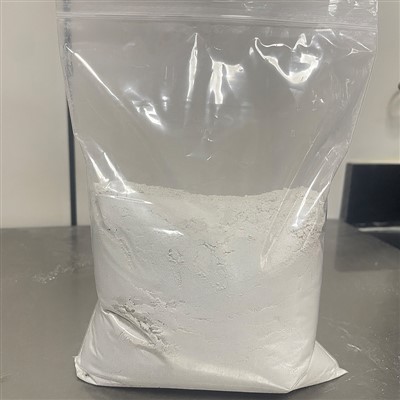
As a supplier of dolomite powder, I’ve always been intrigued by the diverse applications of this versatile mineral. Dolomite, a naturally occurring carbonate mineral composed of calcium magnesium carbonate (CaMg(CO₃)₂), is widely recognized for its use in industries such as construction, agriculture, and ceramics. However, the question often arises: Can dolomite powder find a place in the pharmaceutical industry?
Chemical and Physical Properties of Dolomite
Before delving into its pharmaceutical applications, it’s essential to understand the unique characteristics of dolomite. Dolomite has a Mohs hardness of 3.5 – 4, which makes it relatively soft compared to other minerals. It has a characteristic rhombohedral crystal structure and typically appears white, gray, or pink. Chemically, it is stable under normal conditions but can react with acids to release carbon dioxide. These properties make it a potential candidate for various pharmaceutical uses, depending on its purity and particle size.
Potential Pharmaceutical Applications
Antacid
One of the most well – known potential uses of dolomite powder in the pharmaceutical field is as an antacid. Excess stomach acid can cause discomfort, heartburn, and other digestive issues. Dolomite contains calcium and magnesium carbonates, both of which can act as base materials to neutralize hydrochloric acid in the stomach. When dolomite powder comes into contact with stomach acid, the following chemical reactions occur:
CaMg(CO₃)₂ + 4HCl → CaCl₂+MgCl₂ + 2CO₂↑+ 2H₂O
The formed salts are typically absorbed by the body in small amounts. Calcium is an essential nutrient for bone health, nerve function, and muscle contraction, while magnesium also plays a crucial role in many biochemical reactions in the body, such as energy metabolism and muscle relaxation. Compared to some synthetic antacids, using dolomite powder provides a more "natural" option, which may be appealing to consumers who prefer natural remedies.
Nutritional Supplement
In addition to its antacid properties, dolomite can serve as a source of dietary calcium and magnesium. Calcium is vital for maintaining strong bones and teeth, and magnesium is involved in over 300 enzymatic reactions in the body. As a nutritional supplement, dolomite powder can be formulated into tablets or capsules. It is often used as an alternative to other calcium and magnesium supplements, especially for those who are looking for a more sustainable and less processed option.
However, it’s important to note that the bioavailability of calcium and magnesium from dolomite is a subject of ongoing research. Bioavailability refers to the proportion of a nutrient that is absorbed and utilized by the body. Factors such as the particle size of the dolomite powder, the presence of other substances in the formulation, and individual differences in the digestive system can all affect bioavailability.
Pharmaceutical Excipient
In the pharmaceutical industry, excipients are substances that are added to a drug formulation to provide bulk, improve stability, or enhance the release of the active ingredient. Dolomite powder can potentially be used as a filler or diluent in tablet manufacturing. Its relatively low cost and abundance make it an attractive option compared to some synthetic excipients. Additionally, due to its chemical stability, it can help protect the active pharmaceutical ingredient from degradation.
For example, when formulating tablets, dolomite powder can be mixed with the active ingredient, binders, and other excipients. It provides the necessary mass to produce tablets of the appropriate size and shape. It can also be used in capsule filling, where it can act as a carrier for the active ingredient, ensuring uniform distribution.
Quality and Safety Considerations
When considering the use of dolomite powder in the pharmaceutical industry, quality and safety are of utmost importance. Impurities in dolomite, such as heavy metals (e.g., lead, mercury, and cadmium), can pose significant health risks. These heavy metals can accumulate in the body over time and cause various health problems, including neurological damage, kidney damage, and cancer.
To ensure the safety and quality of dolomite powder for pharmaceutical use, strict quality control measures must be implemented. This includes sourcing dolomite from high – quality mines, conducting thorough chemical analysis to determine the presence and levels of impurities, and using appropriate purification processes. For example, techniques such as acid leaching and filtration can be used to remove heavy metals from dolomite powder.
In addition, regulatory compliance is crucial. The pharmaceutical industry is highly regulated, and any material used in drug formulations must meet the standards set by regulatory authorities such as the Food and Drug Administration (FDA) in the United States or the European Medicines Agency (EMA) in Europe. Suppliers of dolomite powder must ensure that their products meet these regulatory requirements to be used in the pharmaceutical industry.
Market Trends and Future Outlook
The demand for natural and sustainable products in the pharmaceutical industry is on the rise. Consumers are becoming more health – conscious and are increasingly looking for alternatives to synthetic drugs and supplements. This trend presents a significant opportunity for dolomite powder in the pharmaceutical market.
However, there are also challenges. The competition from other established calcium and magnesium sources, such as calcium carbonate from limestone and magnesium oxide, is fierce. These alternative sources have well – established production processes and a long history of use in the pharmaceutical industry. To compete, dolomite powder suppliers need to focus on its unique selling points, such as its natural origin and potential multi – functionality.
In the future, further research is needed to fully understand the potential of dolomite powder in the pharmaceutical industry. This includes more in – depth studies on its bioavailability, long – term safety, and optimal formulation methods. As our understanding of the properties and applications of dolomite powder continues to grow, we may see an increase in its use in the pharmaceutical field.
Conclusion
In conclusion, dolomite powder has the potential to be used in the pharmaceutical industry. Its antacid properties, potential as a nutritional supplement, and use as a pharmaceutical excipient make it an interesting candidate. However, ensuring its quality and safety through strict quality control and regulatory compliance is essential.
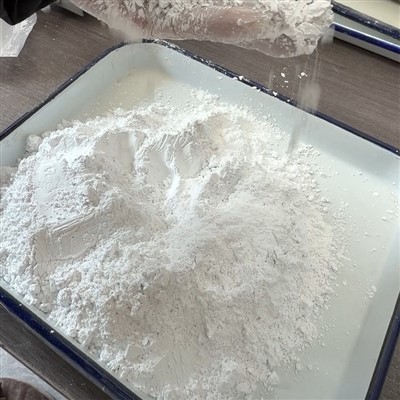
As a dolomite powder supplier, I am committed to providing high – quality products that meet the highest standards. If you are interested in exploring the use of dolomite powder in your pharmaceutical formulations, I would be more than happy to discuss your specific needs and requirements. Contact me to start a conversation about how our dolomite powder can benefit your pharmaceutical products.
Hydrated Lime Powder References
- Handbook of Pharmaceutical Excipients, 7th Edition
- Journal of Pharmaceutical Sciences, various issues related to mineral – based excipients
- Research papers on the use of natural minerals in the pharmaceutical industry from international conferences
Chaohu Jirun Energy Conservation and Environmental Protection Technology Co., Ltd.
We’re well-known as one of the leading dolomite powder manufacturers and suppliers in China, also support customized service. Welcome to wholesale high quality dolomite powder in stock here from our factory. If you have any enquiry about pricelist, please feel free to email us.
Address: No. 9, north of the intersection of Weihai Road and Weili Avenue, within the industrial park of Yinping Town, Chaohu City, Hefei City, Anhui Province.
E-mail: 13305654485@163.com
WebSite: https://www.chaohujirun.com/
