As a supplier of Juniper Wireless Controllers, I’ve witnessed firsthand the critical role that heat dissipation design plays in the performance and longevity of these devices. In this blog post, I’ll delve into the intricacies of the heat dissipation design for Juniper Wireless Controllers, exploring the challenges, solutions, and the importance of this design aspect in ensuring optimal functionality. Wireless Controllers for Juniper

The Challenge of Heat Generation in Wireless Controllers
Wireless controllers, like Juniper’s, are complex electronic devices that handle a multitude of tasks simultaneously. They manage wireless access points, process data traffic, and run various software applications. All these operations generate heat, which, if not properly managed, can have detrimental effects on the controller’s performance and reliability.
Excessive heat can cause components to malfunction, leading to system instability, reduced throughput, and even hardware failure. Moreover, high temperatures can accelerate the aging process of electronic components, shortening their lifespan and increasing the likelihood of costly repairs or replacements.
The Importance of Effective Heat Dissipation Design
Effective heat dissipation design is crucial for maintaining the optimal operating temperature of Juniper Wireless Controllers. By dissipating heat efficiently, the design helps to prevent overheating, ensuring that the controller can operate at peak performance levels for extended periods.
In addition to improving performance and reliability, proper heat dissipation design also contributes to energy efficiency. When a controller operates at a lower temperature, it requires less power to cool itself, resulting in lower energy consumption and reduced operating costs.
Key Components of the Heat Dissipation Design
The heat dissipation design of Juniper Wireless Controllers incorporates several key components and techniques to ensure efficient heat transfer and dissipation. These include:
Heat Sinks
Heat sinks are passive cooling devices that are used to absorb and dissipate heat from the controller’s components. They are typically made of a high-conductivity material, such as aluminum or copper, and are designed to have a large surface area to maximize heat transfer.
In Juniper Wireless Controllers, heat sinks are strategically placed on critical components, such as the processor and power supply, to draw heat away from these hotspots and transfer it to the surrounding air. The design of the heat sinks is optimized to ensure maximum heat dissipation, with features such as fins and ridges to increase the surface area and improve airflow.
Fans
Fans are used to enhance the cooling effect of the heat sinks by increasing the airflow over their surfaces. They are typically located near the heat sinks and are designed to draw in cool air from the outside and expel hot air from the controller.
Juniper Wireless Controllers are equipped with high-performance fans that are designed to provide sufficient airflow while operating quietly. The fans are also adjustable, allowing the controller to adjust the fan speed based on the temperature of the components, ensuring optimal cooling efficiency.
Ventilation System
The ventilation system of Juniper Wireless Controllers is designed to ensure proper airflow throughout the device. It consists of a series of vents and channels that allow cool air to enter the controller and hot air to exit.
The vents are strategically placed to ensure that the airflow is directed towards the critical components, such as the processor and power supply, to provide maximum cooling. The channels are also designed to minimize airflow resistance, ensuring that the air can flow freely through the controller.
Thermal Management Software
In addition to the hardware components, Juniper Wireless Controllers also incorporate thermal management software to monitor and control the temperature of the device. The software continuously monitors the temperature of the critical components and adjusts the fan speed and other cooling parameters accordingly.
The thermal management software also provides alerts and notifications to the administrator if the temperature of the device exceeds a certain threshold, allowing them to take appropriate action to prevent overheating.
Design Considerations for Heat Dissipation
When designing the heat dissipation system for Juniper Wireless Controllers, several factors need to be considered to ensure optimal performance and reliability. These include:
Component Placement
The placement of the components within the controller is critical for effective heat dissipation. Components that generate a lot of heat, such as the processor and power supply, should be placed in areas with good airflow and away from other components that are sensitive to heat.
Juniper engineers carefully consider the layout of the components when designing the controller to ensure that the heat is evenly distributed and that there are no hotspots. They also use thermal insulation materials to prevent heat from spreading to other parts of the controller.
Airflow Path
The airflow path within the controller is also important for effective heat dissipation. The design should ensure that the cool air can flow freely through the controller and reach the critical components, while the hot air can be expelled efficiently.
Juniper engineers use computational fluid dynamics (CFD) simulations to optimize the airflow path within the controller. These simulations allow them to analyze the airflow patterns and identify areas where the airflow can be improved. Based on the results of the simulations, they can make adjustments to the design of the ventilation system to ensure optimal airflow.
Environmental Conditions
The environmental conditions in which the controller operates can also have an impact on the heat dissipation design. For example, if the controller is installed in a hot and humid environment, the heat dissipation system may need to be more robust to ensure that the device can operate at a safe temperature.
Juniper engineers take into account the environmental conditions when designing the heat dissipation system for the controller. They use materials that are resistant to corrosion and moisture and design the ventilation system to prevent dust and debris from entering the controller.
Benefits of a Well-Designed Heat Dissipation System
A well-designed heat dissipation system for Juniper Wireless Controllers offers several benefits, including:
Improved Performance
By maintaining the optimal operating temperature of the controller, the heat dissipation system helps to prevent overheating, which can cause performance degradation and system instability. This ensures that the controller can operate at peak performance levels, providing reliable wireless connectivity and high-speed data transfer.
Increased Reliability
Excessive heat can cause components to malfunction and fail prematurely. A well-designed heat dissipation system helps to prevent overheating, reducing the risk of component failure and increasing the reliability of the controller. This results in fewer system downtime and lower maintenance costs.
Extended Lifespan
High temperatures can accelerate the aging process of electronic components, shortening their lifespan. By maintaining the optimal operating temperature of the controller, the heat dissipation system helps to extend the lifespan of the components, reducing the need for frequent replacements and saving on costs.
Energy Efficiency
When a controller operates at a lower temperature, it requires less power to cool itself. A well-designed heat dissipation system helps to reduce the energy consumption of the controller, resulting in lower operating costs and a smaller carbon footprint.
Conclusion
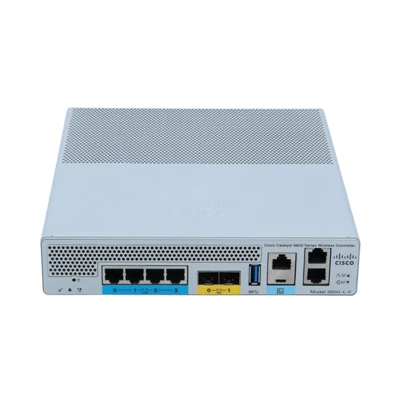
In conclusion, the heat dissipation design of Juniper Wireless Controllers is a critical aspect of their performance and reliability. By incorporating advanced heat dissipation techniques and components, such as heat sinks, fans, ventilation systems, and thermal management software, Juniper ensures that its wireless controllers can operate at optimal temperatures, providing reliable wireless connectivity and high-speed data transfer.
Wireless APs If you’re in the market for Juniper Wireless Controllers and are interested in learning more about our products or discussing your specific requirements, we’d love to hear from you. Contact us today to start a conversation about how our Juniper Wireless Controllers can meet your needs and provide you with a reliable and efficient wireless network solution.
References
- Juniper Networks Technical Documentation
- Research papers on electronic device heat dissipation
- Industry standards and guidelines for wireless controller design
AITI Tech Limited
AITI Tech Limited is one of the most professional wireless controlers for juniper manufacturers and suppliers in China for over 20 years, featured by quality products and low price. Welcome to buy bulk discount wireless controlers for juniper in stock here from our factory. If you have any enquiry about pricelist, please feel free to email us.
Address: 6F, Haogong Building, Yannan Road, Futian District, Shenzhen, China
E-mail: kelly@hkaiti.com
WebSite: https://www.hkaiti.com/
