Hey there! Let’s cut right to the chase—if you’re here wondering “can a rubber-metal composite valve core be customized?” as someone who’s been deep in the rubber-metal composite valve core game for years, the short answer is a resounding YES. But I’m guessing you don’t just want a one-word reply. You’re probably a procurement lead, a design engineer working on a new pump or plumbing system, or maybe someone who’s tired of off-the-shelf valve cores falling apart when your specific application throws weird conditions at them. Let me walk you through how this works, why customization matters more than you think, and what it actually looks like when you work with a supplier that knows their stuff. Rubber-metal Composite Valve Core
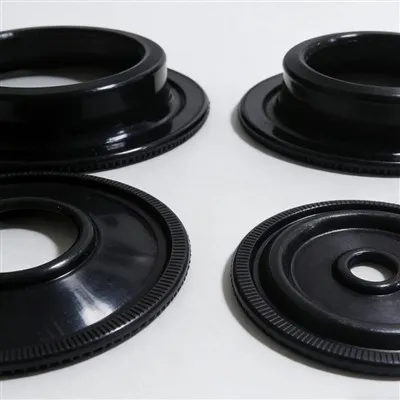
First off, let’s level set on what a rubber-metal composite valve core even is, because if you’re not super deep in parts manufacturing, that might sound like a random combo. Think of it as the heart of a valve—this little part controls when fluid (or gas, depending on the use) flows, stops, or adjusts pressure. It’s two parts fused together: a rigid metal core (usually steel, brass, or sometimes stainless steel for extra rust resistance) and a durable rubber layer molded right onto it. The rubber seals the gap so no leaks happen, and the metal gives the core the structure it needs to move without bending or breaking. Off-the-shelf ones are great if you’re doing generic plumbing for a standard home or a small irrigation line, but if you’re working with something way more specific? Like a high-pressure industrial pump, a medical device that handles sensitive fluids, or a heavy-duty agricultural sprayer that’s bouncing around on rough fields? Generic parts will fail fast. I’ve seen this happen too many times—clients come to us after their stock valve cores cracked in 6 months because they were designed for water, not the corrosive fertilizer mix they’re using. That’s where customization comes in.
Now, let’s get into the nitty-gritty of what you can actually customize, because it’s not just “changing the size a little.” I’m talking about full-on tailored parts that fit your exact needs. First up is the rubber compound. This is huge because different rubbers hold up to totally different things. Do you need the core to work with hot oil? You’ll need nitrile rubber (NBR) or hydrogenated nitrile (HNBR) — plain old natural rubber will turn mushy and crack in 100°F oil. If it’s for food or medical use, you can’t have rubber that leaches chemicals into the fluid, so you need FDA-approved silicone or EPDM. And if it’s for super cold environments, like a valve on a snow groomer or a pipeline in Canada in winter, regular rubber gets stiff and stops sealing—you need a fluoroelastomer (Viton) that stays flexible at sub-zero temps. We had a farm equipment client last year who was blowing through standard valve cores for their liquid nitrogen tanks in Alberta; we swapped their rubber for a low-temperature Viton blend, and they haven’t had a leak since. That’s the kind of fix customization delivers.
Next, the metal part. Off-the-shelf valve cores almost always use basic steel, but if you need something tougher, you can tweak the metal. Stainless steel for corrosion resistance, brass for applications where you want it to be non-magnetic (like medical devices or some electronic valves), even coated metals if you’re dealing with super abrasive fluids—like sand slurries in a fracking pump, for example. We can also adjust the shape of the metal core itself: maybe the standard round shape is too big for your valve housing, or you need a little notch to line up with a sensor that tracks flow. I’ve had clients come in with a sketch on a napkin (yes, a napkin—no fancy CAD at that meeting) of a weirdly shaped metal core that needed a rubber seal only on two sides, not the whole thing. We worked with them to refine that shape, ran a quick prototype, and it worked on the first try. That’s the beauty of not being stuck with stock parts.
Then there’s the fit and function, which is where a lot of people get tripped up. Customization isn’t just about changing materials—it’s about making the core work exactly how your system needs it. For example, do you need the core to open at a specific pressure? Stock cores have a standard spring tension built in, but we can adjust that when we mold the part, right in the design phase. Or maybe you need the rubber to have a specific texture—like a smoother surface for a medical part that moves through a small tube without catching, or a slightly grippier texture for a valve that’s actuated by hand. I remember a client who made custom drinking water filters; their stock valve cores would get stuck in the filter housing because the rubber was too smooth. We added a tiny, non-abrasive micro-texture to the rubber surface, and the part slid in and out perfectly, no more jams.
Wait, but let’s talk about the process—because if you’re worried customization is going to take forever and cost a fortune, that’s a common myth I need to bust. A lot of people think custom parts mean 6-month lead times and a $10,000 prototype fee, but that’s only if you work with a supplier who doesn’t have their act together. At our shop, we work with clients step by step, no hoops to jump through. First, you send us what you need: maybe a drawing, a sample of the old valve core that’s failing, a description of the fluid it’s handling, the pressure it’s under, the temperature range. We’ll sit down with you (or hop on a quick call—no stuffy formal meetings here) to ask the right questions, like “does this get exposed to sunlight?” or “do you need it to be food-safe?” We don’t just guess—we use that info to pick the best rubber and metal combo. Then we make a prototype. If you need a small run for testing, we can turn that around in a week or two, not months. And the prototype cost? Way lower than most people expect, especially when you compare it to the cost of replacing failed parts every few months.
Another big point: compatibility and durability. Off-the-shelf parts are made to work for average conditions, but if your job is out of the ordinary, a custom valve core will last way longer. Let’s say you’re in the automotive industry, building electric vehicle battery cooling systems. Those valves handle coolant that’s glycol-based, often under high pressure, and needs to be non-conductive so it doesn’t mess with the battery. Stock valve cores might use standard EPDM that conducts a little, or steel that rusts over time. Customizing to use a specific silicone blend that’s non-conductive and a stainless steel core means that valve core will last the life of the battery, not 2 years. I had an automotive client tell me their stock cores were failing after 18 months, so we customized theirs, and they’ve been running 3 years now with zero issues. That’s the ROI you get from custom work—it’s not just about getting the part to fit, it’s about cutting down on downtime and replacement costs, which is way more valuable than saving a few bucks on stock parts.
Wait, but let’s be real—customization isn’t for everyone. If you’re building 100,000 of the same standard water valves for a plumbing manufacturer, stock parts are probably fine, and they’re cheaper. But if you’re a smaller company, a startup, or someone working on a unique application (like a new type of renewable energy pump, or a medical device for a rare procedure), custom is the only way to get something that actually works. I’ve had startups come to us with a brand new product idea, a sketch, and a budget that’s tight, and we work with them to make something that fits their needs without breaking the bank. We’re not a big corporate factory that charges premium for “special” parts—we’re a team of guys who’ve been making these valve cores for 15+ years, and we know how to balance quality and cost.
Let me also address a common worry: will a custom valve core work with my existing valve assembly? That’s a super valid question. A lot of people think if you change the valve core, you have to replace the whole valve, which is a huge expense. But no—custom valve cores are made to fit your exact existing housing, so you don’t have to redo your whole system. We measure the inner diameter of your valve housing, the depth of the seat, all the little details, so the new custom core slides right in, no modifications needed. That’s a game-changer. I had a client who had a whole fleet of old industrial pumps that were still working great except the valve cores were leaking. Instead of buying new pumps for $10,000 each, we made custom valve cores that fit their existing pump housings for a fraction of the cost, and they fixed all the leaks in a week. That’s the kind of practical, money-saving stuff customization does.
Now, let’s talk about quality—because you don’t want a custom part that’s just as flimsy as a stock one. All our custom valve cores go through the same rigorous testing as our stock ones, plus extra testing for your specific conditions. We test for pressure resistance, temperature extremes, chemical exposure, even how many times it can open and close before wearing out. No cutting corners. I hate when suppliers say “custom” just to charge more, then sell you a part that’s made in the same factory as the stock ones, just with a different label. We don’t do that. Every custom part we make is tailored to your specs, tested to make sure it works for your exact use case, and we stand behind it. If it fails for a reason that’s on us, we fix it, no questions asked.
Wait, let’s wrap this up so it makes sense. So to answer the original question: yes, rubber-metal composite valve cores 100% can be customized. You can pick the rubber material that works with your fluid and environment, the metal core that gives you the strength you need, adjust the shape and fit to work with your existing valve, tune the pressure or function, and get a part that lasts way longer than any off-the-shelf option. The process isn’t complicated or super expensive, especially when you factor in the cost of downtime and replacement parts from generic options.
If you’re someone who’s dealing with leaky valve cores, parts that fail too fast, or a new project that needs a part no one makes off the shelf, don’t just settle for what’s in a catalog. Reach out. We can talk through your needs, send you a prototype to test, and make something that fits exactly what you’re working on. No jargon, no hidden fees, just real solutions for real problems. If you’ve got a sample of your old part, even better—send that over, and we can reverse-engineer it to make a better, more durable custom version for you.

And if you’re still on the fence, think about this: the best parts aren’t one-size-fits-all. They’re made for your specific job, because that’s how you avoid headaches, save money, and get your project running smoothly. That’s what we do every day here, and we’re good at it.
Valve Core References:
- Rubber Chemistry and Technology, Elastomer Compatibility for Industrial Fluid Handling Applications, Vol. 92, No. 3, 2019
- Metal Finishing Guidebook, Corrosion Resistance of Common Valve Core Metals, 42nd Edition, 2021
- Industrial Valve Technology, Custom Valve Component Design and Durability Testing, 15th Annual Conference Proceedings, 2020
- FDA Food Contact Materials Regulation, Elastomer Standards for Potable Water Valve Components, 21 CFR Part 177, 2022
Tianjin TGE BIAM Graphene Technology Co., Ltd.
Tianjin TGE BIAM Graphene Technology Co., Ltd. is one of the most professional rubber-metal composite valve core manufacturers and suppliers in China, also supports customized service. Please feel free to buy bulk advanced rubber-metal composite valve core in stock here from our factory. For quotation, contact us now.
Address: No. 24 Sanjing Road, Dongli Development Zone, Tianjin City, China.
E-mail: sales@tge-tj.com
WebSite: https://www.tge-valve.com/
