If you’ve ever placed an order for aquatic feed composite bags, chances are you’ve scrolled through product listings and come across a line that reads “food-grade compliant.” As a supplier of these bags, I know this phrase doesn’t just sound good on a sales sheet—it’s a make-or-break detail for the aquaculture industry. For anyone working with shrimp, tilapia, catfish, or any farmed aquatic species, the bags holding your feed aren’t just packaging; they’re the last line of defense between your product, your stock, and the very real risks of contamination, regulatory fines, or lost revenue. Let’s break down whether aquatic feed composite bags actually meet food-grade standards, what that even means in this specific context, and why it’s not a box to check—it’s a promise you have to back up. Aquatic Feed Composite Bags
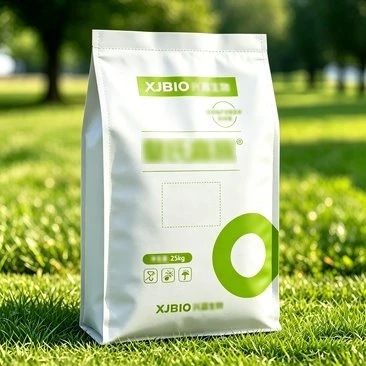
First, I need to clarify what “food-grade” means, because it’s a term that gets thrown around loosely, especially in packaging. Unlike generic “safe” or “non-toxic,” food-grade standards are formal, enforceable guidelines set by global regulatory bodies that govern what materials can come into contact with food or feed intended for consumption by humans and animals. For aquatic feed, this isn’t just about the feed itself—farmers rely on that feed to grow fish and shellfish that will end up on grocery store shelves, so every link in the chain, including packaging, has to adhere to rules that ensure no harmful substances leach into the feed, no cross-contamination occurs, and the packaging protects the feed from damage or spoilage before it reaches the water.
Let’s start with what makes a composite bag different from, say, a simple plastic bag. Our aquatic feed composite bags are multi-layered: usually a outer layer of polypropylene (PP) for durability, a middle layer of polyethylene (PE) or ethylene vinyl alcohol (EVOH) for barrier properties that keep moisture, oxygen, and pests out, and sometimes an inner layer that directly touches the feed. Each layer is chosen for a specific purpose, but every single component has to meet food-grade standards individually, right? Well, not always—there’s a catch here. Some regulatory frameworks require the entire finished bag to pass migration tests, not just the raw materials, which is a key point many unvetted suppliers miss.
Take the U.S. Food and Drug Administration (FDA) as an example. Their Code of Federal Regulations (CFR) Title 21 outlines food contact substance (FCS) notifications, and for packaging intended for feed, the rules are similar to those for human food because feed directly impacts animal health and food safety. The EU has EC Regulation 1935/2004, which sets general requirements for all food contact materials, plus specific rules for plastics (Regulation 10/2011) that limit the amount of heavy metals, volatile organic compounds (VOCs), and other substances that can transfer from packaging to the contents. For the Asian market, which is the largest producer of both aquafeed and farmed seafood, bodies like the Food and Agriculture Organization (FAO) and regional bodies such as China’s National Food Safety Standard (GB 4806.7) have their own, equally strict guidelines.
Here’s where we, as a supplier, separate ourselves from suppliers who cut corners. A few years ago, I heard from a tilapia farmer in Vietnam who had a batch of feed spoil after just two weeks, leading to a 20% loss in his stock. When we tested a sample of the packaging he’d been using from a cheaper supplier, we found that their inner layer was made with recycled PE that hadn’t been properly purified, resulting in detectable levels of phthalates. Those phthalates leached into the feed, not only making it less nutritious but also creating a bad taste that made the tilapia refuse to eat it. That’s the kind of nightmare that happens when someone claims “food-grade” but hasn’t actually tested their finished product against global standards.
So, do our aquatic feed composite bags meet food-grade standards? Let’s walk through the process we use to make sure they do, because transparency is everything here. First, every raw material we source—PP resin, PE film, EVOH barrier layers—comes from approved vendors that provide a COA (Certificate of Analysis) confirming each batch meets the relevant food-grade standard. We don’t buy recycled plastic for the inner layer that touches feed, because even post-consumer recycled plastic can have contaminants that are hard to trace. Our outer layer, which is exposed during transport and storage, is made with virgin PP that meets FDA 21 CFR standards, and our inner layer, which is the feed-contact surface, is made with medical-grade PE in many cases, which is the gold standard for food-contact applications.
Next, we test every single finished batch of bags. We don’t just rely on raw material COAs—we send every production run to an independent third-party lab for migration testing, the same tests required for food-contact packaging. These tests simulate real-world conditions: we expose the bags to the same temperatures that they’d face during transport in tropical countries (where most aquafeed is used), we test for leachables that could be harmful to aquatic life, and we check that the bags don’t have any residual pesticides or heavy metals from the production process. For example, our recent batch of shrimp feed bags passed FDA migration limits for all tested substances, and also met the FAO’s guidelines for aquafeed packaging, which have extra provisions for materials that will be exposed to water.
Wait, what about the difference between feed-grade and food-grade? I get this question all the time from customers. Some people think feed-grade packaging is less strict than food-grade, but for aquatic applications, that’s a dangerous misconception. Because aquafeed is given directly to farmed aquatic animals, which are then consumed by humans, the line between feed and food blurs. The FAO explicitly states that aquafeed packaging must meet the same food-grade standards as packaging for human food, because any contaminants in the feed will end up in the fish or shellfish. That’s why we’ve aligned our testing to meet both sets of standards, no matter where our customers are located.
Another common concern is durability. Aquatic feed bags need to hold 25kg or 50kg of feed, be easy to stack in warehouses and on ships, and resist tears during loading and unloading. If a bag breaks, feed gets contaminated by dust, pests, or moisture, which ruins the whole batch. Our composite bags are designed with strength in mind—our outer PP layer is tear-resistant, our middle EVOH layer blocks moisture, and we use reinforced seams that have been tested to withstand drops from 1.5 meters without breaking. All that durability is built into materials that still meet food-grade standards; we don’t add any chemicals to boost strength that would compromise safety.
I also want to address the elephant in the room: not all “food-grade” aquatic feed bags are created equal. There are suppliers out there who pay to get their raw materials certified but skip the finished product testing, because testing every batch adds cost and time. But to us, that’s not an option. Last year, we had a customer in Ecuador who needed bags for a new line of organic tilapia feed. Organic feed requires even stricter standards—no synthetic chemicals, no contaminants. We worked with a third-party lab to test our bags against USDA organic food packaging standards, and the results showed zero detectable levels of any harmful substances. That customer has since become a repeat client, and they now refer us to other organic aquaculture operations across South America.
Let’s talk about what happens if a bag doesn’t meet food-grade standards. For a small-scale farmer, it could mean losing an entire season’s stock, which can be devastating financially. For larger producers, it could mean failing a regulatory audit, leading to fines, or having their entire shipment of seafood rejected at the border because it tested positive for contaminants that came from the feed packaging. That’s why we invest so heavily in testing and certification—our customers don’t just need a bag; they need peace of mind that their feed is safe, their stock is healthy, and their business is protected.
I recently attended an aquaculture conference in Thailand, and I sat in on a panel about sustainable aquafeed. One of the speakers, a scientist from the FAO, said that packaging is one of the most overlooked parts of aquaculture sustainability. If a bag isn’t food-grade, it can contaminate feed, leading to wasted product, which in turn means wasted water, feed, and energy. So food-grade composite bags aren’t just a safety measure—they’re part of sustainable aquaculture. That resonated with me, because it’s not just about checking boxes; it’s about building a product that does right by the farmers, the livestock, and the end consumers.
So back to the original question: Do aquatic feed composite bags meet food-grade standards? The answer is: the right ones do. The ones that are made with virgin, tested raw materials, that undergo independent migration testing for every batch, that align with global regulatory guidelines for food contact, and that are built to protect feed without adding harmful contaminants. As a supplier, I don’t sell “generic food-grade bags”—I sell bags that are specifically engineered for aquatic feed, because aquafeed has unique challenges: high moisture, exposure to open air during transport, and direct contact with water, which can accelerate leaching or degradation.
If you’re a farmer, feed mill owner, or anyone in the aquaculture supply chain, I encourage you to ask your packaging supplier one simple question: Can you provide test results for the finished bags, confirming they meet the food-grade standards relevant to my region? If they hesitate, or give you a vague answer like “our materials are food-grade,” that’s a red flag. If they can hand you a COA for every batch, signed by an independent lab, that shows migration levels are within limits, then you can trust that their bags are food-grade.
For our part, we make that process easy. Every batch of aquatic feed composite bags we produce comes with a full set of test results, including compliance with FDA, EC, FAO, and regional standards, depending on where our customer is based. We also offer custom sizing, printing with barcodes or traceability codes, and durable designs that work for both dry feed and moist feed blends, because we know aquafeed isn’t one-size-fits-all.
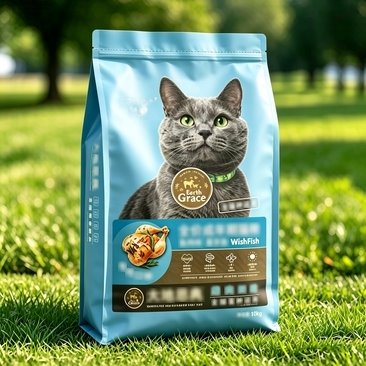
At the end of the day, food-grade standards are about trust. Farmers put their livelihoods in our hands when they choose our bags, and we don’t take that lightly. We’ve built our business on delivering products that aren’t just compliant, but that our customers can count on, season after season. If you’re in the market for aquatic feed composite bags and want to make sure you’re getting a product that meets all necessary food-grade standards, reach out to discuss your specific needs. We’re here to answer questions, share test results, and work with you to find the right solution for your operation.
Livestock Feed Woven Bags References
U.S. Food and Drug Administration. (2024). Code of Federal Regulations Title 21: Food and Drugs, Part 177 – Indirect Food Additives: Polymers.
European Commission. (2004). Regulation (EC) No 1935/2004 of the European Parliament and of the Council on materials and articles intended to come into contact with food.
Food and Agriculture Organization of the United Nations. (2022). Guidelines for Packaging and Labelling of Aquafeed, FAO Fisheries and Aquaculture Department.
Ministry of Health, Labour and Welfare of Japan. (2021). Japanese Food Sanitation Act, Standards for Food Additives (Plastic Packaging Materials).
China National Health Commission. (2023). National Food Safety Standard: Food Contact Materials and Products for Plastics (GB 4806.7-2016).
Zhejiang Xifeng Packaging Co., Ltd.
We are one of the most experienced aquatic feed composite bags manufacturers and suppliers in China. With a professional production team, we offer a wide range of products with superior quality. Please feel free to buy bulk aquatic feed composite bags at competitive price from our factory. We also accept customized orders.
Address: Xiaojiang Town, Pingyang County, Wenzhou City, Zhejiang Province, China
E-mail: zjxifeng@126.com
WebSite: https://www.xifengpackaging.com/
