Apricots are a beloved fruit known for their sweet and tangy flavor, as well as their vibrant orange color. They’re a common sight in fruit stands and grocery stores, often enjoyed fresh during the summer months or dried for a convenient snack year – round. As an oxalates supplier, I’ve been asked about the oxalate content in apricots quite frequently. In this blog post, we’ll dive into the science behind whether apricots contain oxalates, the implications of oxalate consumption, and how this knowledge might be useful for both consumers and those in related industries. Oxalates
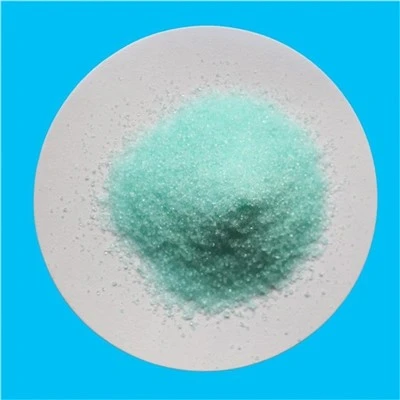
What are Oxalates?
Before we discuss apricots specifically, it’s important to understand what oxalates are. Oxalates are naturally occurring compounds found in many plants. They are produced as a by – product of plant metabolism and can bind with minerals like calcium to form crystals. In the human body, high levels of oxalates can sometimes lead to health issues, especially for individuals prone to kidney stones. When oxalates combine with calcium in the urine, they can create calcium oxalate stones, which can cause significant pain and discomfort.
Oxalates are present in a wide range of foods, including leafy greens, nuts, and some fruits. The amount of oxalates in a particular food can vary depending on factors such as the plant variety, growing conditions, and how the food is prepared.
Do Apricots Contain Oxalates?
The answer is yes, apricots do contain oxalates, but the levels are relatively low compared to some other fruits and vegetables. Fresh apricots typically have a moderate amount of oxalates. The exact quantity can fluctuate based on factors like the apricot’s ripeness, the soil in which it was grown, and the specific cultivar.
Research indicates that for every 100 grams of fresh apricots, the oxalate content can range from about 5 to 20 milligrams. This is considered a relatively low – to – moderate level when compared to high – oxalate foods like spinach, which can contain up to 600 milligrams of oxalates per 100 grams.
Dried apricots, on the other hand, have a higher oxalate concentration. When apricots are dried, the water is removed, which concentrates the nutrients and other compounds, including oxalates. A 100 – gram serving of dried apricots can contain anywhere from 50 to 100 milligrams of oxalates, depending on the drying process and the initial oxalate content of the fresh fruit.
Implications of Oxalate Consumption from Apricots
For the majority of people, consuming apricots in normal amounts is not likely to cause any problems related to oxalates. The human body has natural mechanisms to handle oxalates, and as long as the intake is within a reasonable range, the kidneys can effectively filter and excrete them.
However, for individuals with a history of kidney stones or those who are at a high risk of developing them, the oxalate content in apricots (especially dried apricots) may need to be considered. People with certain metabolic disorders or genetic predispositions may also be more sensitive to oxalates. In these cases, it’s advisable to consult a doctor or a registered dietitian before making apricots a regular part of their diet.
Cooking and Processing Effects on Oxalate Content in Apricots
The way apricots are prepared can also affect their oxalate content. Cooking methods such as boiling can leach out some of the oxalates into the cooking water. So, if you’re concerned about oxalate intake and you want to eat apricots, boiling them briefly before consumption might reduce the overall oxalate load.
However, it’s important to note that excessive cooking can also lead to a loss of other beneficial nutrients in apricots, such as vitamins A and C. So, finding a balance between reducing oxalates and preserving nutritional value is key.
Oxalates in the Food Industry and Health Conscious Consumers
As an oxalates supplier, I’ve seen an increasing interest in oxalate content from both the food industry and health – conscious consumers. Food manufacturers are becoming more aware of the oxalate levels in their ingredients, especially as consumers are demanding more information about what’s in their food.
For example, companies that produce apricot – based products like jams, juices, and dried fruit snacks may need to consider the oxalate content to meet consumer expectations and regulatory requirements. Some consumers may be specifically looking for low – oxalate products, and knowing the oxalate levels in apricots can help food companies make informed decisions about their product formulations.
On the other hand, health – conscious individuals are actively seeking information about oxalates in different foods to manage their diets effectively. They may be looking to reduce their overall oxalate intake to prevent kidney stones or to support their specific health goals.
Our Role as an Oxalates Supplier
As a supplier of oxalates, we play a crucial role in providing accurate information about oxalate content in various foods. We work closely with food producers, researchers, and consumers to ensure that there is a clear understanding of oxalates and their implications.
We offer high – quality oxalate products for research purposes, which can be used by scientists to study the behavior of oxalates in the human body and in food processing. Our team of experts is also available to provide guidance on oxalate management, whether it’s for food product development or dietary advice.
Conclusion
In conclusion, apricots do contain oxalates, but the levels are relatively low in fresh apricots and moderately high in dried apricots. For most people, consuming apricots in normal amounts is not a cause for concern. However, those at risk of kidney stones or with specific health conditions should take the oxalate content into account.

Whether you’re a food manufacturer looking to optimize your product formulations or a health – conscious consumer seeking to manage your diet, understanding the oxalate content in apricots is important. As an oxalates supplier, we are committed to providing the knowledge and products needed to support your goals.
Zinc Acetate If you’re interested in learning more about our oxalate products or have questions regarding oxalate management in your food products or diet, we encourage you to contact us. Our team is ready to engage in discussions and provide the necessary support for your needs.
References
- Massey, L. K., & Liebman, M. (2006). Oxalate content of foods and its effect on humans. Journal of the American Dietetic Association, 106(11), 1650 – 1659.
- Holmes, R. P., & Assimos, D. G. (2004). Dietary oxalate and calcium oxalate urolithiasis. Journal of Urology, 172(6 Pt 1), 2310 – 2316.
- Chai, W., & Liebman, M. (2005). High – oxalate foods and hyperoxaluria in calcium stone formers: is there a real risk?. Journal of the American Dietetic Association, 105(6), 925 – 929.
Jiangsu Kolod Food Ingredients Co., Ltd.
As one of the most professional oxalates manufacturers and suppliers in China, we’re featured by quality products and good price. Please rest assured to wholesale bulk oxalates made in China here and get free sample from our factory. Customized orders are welcome.
Address: South Side of Weier Road, Guanyun Development Zone, Lianyungang City, Jiangsu Province, China
E-mail: sales1399@jskolod.com
WebSite: https://www.kolod-group.com/
