If you’ve ever driven down a highway, navigated a residential side street, or pulled into a grocery store parking lot, you’ve relied on traffic signs—often without even thinking about the science and engineering that goes into making them durable, visible, and reliable. As a traffic signs supplier, I spend most of my days working with these materials, helping clients (from city public works departments to commercial property managers) pick signs that stand up to harsh weather, fading sun, and thousands of vehicle passes a year. I’ve had customers ask me dozens of times: “What are traffic signs actually made of?” It’s not just plastic or metal, and the choices we make as suppliers directly impact how long a sign lasts and how well it keeps people safe. Let’s break down the core materials we use, why we choose them, and what makes each critical for road safety. Traffic Signs
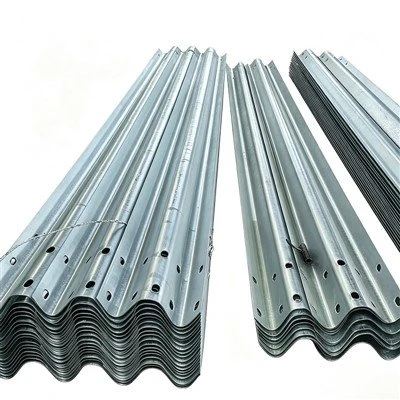
The backbone of almost every traffic sign is a rigid, durable substrate—think of this as the base that holds all the signs’ messages and reflectivity. For decades, the go-to material here has been aluminum, and it’s still my top recommendation for most projects, for good reason. Unlike steel, aluminum is lightweight but strong enough to withstand wind, hail, and minor impacts from wayward vehicles. It doesn’t rust, either, which is a huge deal for areas with high humidity, frequent rain, or road salt in the winter. A steel sign might corrode and become brittle in 5 to 10 years, but an aluminum sign we install today will easily last 15 to 20 years, even in tough climates like the Midwest or Northeast U.S. We typically use 6061-grade aluminum, an alloy with a mix of magnesium and silicon that adds extra strength without adding extra weight—perfect for mounting on poles that can’t support heavy loads. For smaller signs, like parking lot “No Parking” signs or crosswalk markers, we sometimes use thinner 3003-grade aluminum, which is just as rust-resistant and flexible enough to bend slightly without cracking if a bike hits it, making it safer than stiffer substrates. There are alternatives, too: for high-impact areas like school zones, some suppliers use fiberglass-reinforced polymer (FRP), which is even lighter than aluminum and won’t dent or crack in collisions. But FRP is more expensive, so we only recommend it for locations where accidents are more likely, like around elementary schools where kids often run into the street.
Once we have the substrate, the next most important part of a traffic sign is its reflector—this is what makes a sign visible at night, in rain, or in dense fog, when headlights hit it. Without reflectivity, a sign with bold red or white paint would be nearly invisible after dark, defeating its entire purpose. The main technology here is retroreflectivity, and the materials that enable this come in two primary types: glass bead sheeting and microprismatic sheeting. For standard municipal signs, like stop signs, speed limit signs, and yield signs, we almost always use high-quality glass bead retroreflective sheeting. This sheeting is made of a clear vinyl layer with millions of tiny, spherical glass beads embedded in it. When light hits the beads, it refracts inward, bounces off a mirrored backing behind the beads, and reflects straight back to the source—meaning to the driver’s headlights, not out into the distance. I’ve tested this myself: a low-quality glass bead sheet might reflect light from 200 feet away at night, but a commercial-grade one we stock will be visible from over 500 feet, which is the minimum standard most states require for highway signs. For areas with heavy snow or ice, glass bead sheeting works better than microprismatic, because the beads are spread out enough that snow doesn’t cover all of them, keeping reflectivity intact through a winter storm.
Microprismatic sheeting, on the other hand, is the newer technology, and it’s what we use for high-priority signs like school zone flashers, construction zone signs, and road work detour signs. Instead of glass beads, this sheeting is made of tiny, precision-cut prisms—small, pyramid-shaped structures that bounce light even more efficiently than glass beads. Microprismatic sheeting can reflect light from 1,000 feet away, which is twice as far as glass bead sheeting, making it ideal for high-speed highways where drivers need more time to react. It’s also more durable against scratches and UV damage, so it retains its reflectivity longer, even in direct sun. The tradeoff is cost: microprismatic sheeting is about 30% more expensive than glass bead, so we only use it where the extra visibility is a safety necessity, not just a preference. I once worked with a state DOT that switched all their rural highway speed limit signs to microprismatic sheeting after a string of nighttime accidents where drivers didn’t see the speed sign until they were already over the limit—they saw a 12% drop in speeding tickets within six months, which is a huge win for safety.
Then there’s the actual ink and paint that makes up the sign’s symbols and text, which has to be bright enough to be visible during the day, resistant to fading from UV rays, and durable enough to withstand road spray, cleaning chemicals, and extreme temperatures. We almost exclusively use vinyl film inks for traffic signs, not traditional spray paint, because vinyl ink is far more flexible and long-lasting. Spray paint can chip or peel off aluminum within a few years, especially if the sign is near roads with gravel that kicks up. Vinyl ink, when applied correctly to our sheeting, adheres permanently and won’t flake off, even after 10 years in the sun. The colors we use are strictly regulated by the Manual on Uniform Traffic Control Devices (MUTCD) in the U.S.—so stop sign red isn’t just any red, it’s a specific pigment that’s designed to pop against green trees, gray roads, and blue skies. Yellow for school zone signs, white for text, and black for symbols all have exact color codes to ensure consistency across every sign, no matter where it’s made. We never use generic house paint for custom signs, because it fades within 1 to 2 years, turning bright red into a dull pink that’s hard to see. I once had a customer come to us complaining that their new neighborhood “Speed 25” signs looked faded after only a year—they’d used cheap spray paint from a local hardware store, and the UV rays from the sun had broken down the pigment. Swapping them out for signs with vinyl ink and premium sheeting fixed the problem, and they haven’t had to replace any since.
For temporary signs, like construction zone detour signs or event parking signs, we use different materials that are lighter and easier to install and remove. The substrate here is usually corrugated plastic, sometimes called “coroplast,” which is lightweight, waterproof, and can be printed on both sides. We also use magnetic signs for temporary signs on work vehicles, but those only work for short periods, since the paint can scratch if the sign is moved around. Temporary signs need to be just as visible as permanent ones, so we still use the same retroreflective sheeting we use for permanent signs—just applied to a flexible, light substrate that’s easy to transport and install. I always tell contractors that buying temporary signs with cheap sheeting is a false economy: they might save money upfront, but if a detour sign is hard to see at night, it can lead to wrong turns, accidents, or even traffic jams that cost more in delays than the sign itself.
There are also specialty materials for unique traffic signs, like signs for bike lanes, accessible parking signs, or signs in coastal areas with extra salt in the air. For coastal projects, we use a powder-coated aluminum substrate, where a layer of colored powder is baked onto the metal, creating an extra barrier against salt corrosion that standard aluminum doesn’t have. Powder coating also makes the sign more scratch-resistant, which is important near beaches where sand and wind can cause abrasions. For bike lane signs, we sometimes use reflective vinyl with tiny white dots that make the sign visible to cyclists’ bike lights, which is a small detail that makes a big difference for people on two wheels who are more vulnerable to accidents. Accessible parking signs have specific tactile symbols too, but since most of our signs are for visibility, we only use materials that meet ADA standards for color contrast and size.
As a supplier, I also have to think about sustainability, which is something more and more clients ask about these days. The good news is that many of the materials we use are recyclable. Aluminum is 100% recyclable, and almost every municipality has a program to recycle old traffic signs when they reach the end of their life. The retroreflective sheeting has a layer of vinyl, which is recyclable too, though it requires special processing. We also work with manufacturers to source materials from suppliers that use less energy in production, like aluminum made with recycled content. I recently started offering a “green line” of traffic signs made with 50% recycled aluminum and 30% recycled vinyl sheeting, and it’s been popular with cities that have environmental sustainability goals, without sacrificing safety or durability.
What I’ve learned over 12 years in this business is that traffic signs aren’t just pieces of metal and plastic—they’re safety tools, and every material choice matters. Choosing the right substrate, the right reflective sheeting, and the right ink can mean the difference between a sign that’s visible for 15 years and one that needs replacement every 2 years. I’ve seen signs survive tornadoes, blizzards, and decades of sun, and I’ve seen cheap signs fade so badly that drivers missed speed limit signs, leading to accidents. That’s why I’m so meticulous about the materials I use when working with clients. Whether you’re a small business owner needing parking signs, a city manager needing highway signs, or a contractor needing temporary construction signs, the right materials will make your signs work as they’re meant to: keep people safe.
If you’re looking for high-quality, durable traffic signs that meet all national safety standards, reach out to us to discuss your project. We can help you pick the right materials for your location, budget, and needs, whether you need permanent road signs, temporary construction signs, or custom signs for commercial properties. We work with clients across the country, and we’re proud to deliver signs that stand the test of time, so you don’t have to worry about replacements or safety issues down the line. Don’t hesitate to get in touch to start your next traffic sign project.
Traffic Signs References
Manual on Uniform Traffic Control Devices (MUTCD), 2022 Edition, Federal Highway Administration.
Aluminum Association, “Aluminum Use in Transportation Infrastructure,” 2021.
American Society for Testing and Materials (ASTM), “Standard Specification for Retroreflective Sheeting for Traffic Control Materials,” 2019.
National Center for Safe Routes to School, “Traffic Sign Materials and Visibility Best Practices,” 2020.
Guanxian Hongrong Traffic Facilities Co., Ltd.
As one of the most professional traffic signs manufacturers and suppliers in China, we also support customized service. Please feel free to wholesale bulk durable traffic signs in stock here from our factory. Welcome to contact us for quotation.
Address: South side of the road, 100 meters west of the intersection of Baiyang Road and Donghuan Road, Chongwen Subdistrict, Guan County, Liaocheng City, Shandong Province
E-mail: hongrongli568@163.com
WebSite: https://www.hongrongguardrail.com/
